Long Reads
El Niño will upend winter weather in the US. Here’s who will feel it the most | CNN

A likely historically strong El Niño’s biggest influence on weather will happen in the winter. Here’s what to expect
The burgeoning Super El Niño will have major implications for winter weather in the United States.
Winter is not only when this El Niño will peak in strength, but also when its influence on global weather is most pronounced.
🌊 Watch the full Ask a Scientist about El Niño interview only in the CNN Weather app. 👨🏻🔬
El Niño is a natural climate cycle marked by warmer than average water temperatures along the equator in the Pacific Ocean. The warmer water triggers corresponding shifts in the atmosphere that have a domino-like influence on weather patterns around the globe – usually in ways that are largely predictable well in advance.
The stronger an El Niño is, the more likely these expected weather patterns will play out. And this one could be going for gold.
It’s strengthening rapidly, forecast to become a Super El Niño no later than October, and has a nearly 70% chance by year-end of becoming the strongest El Niño on record.
This potentially record-breaking El Niño is “something that’s very unusual, if not a once in a lifetime type of (strength),” according to Nat Johnson, a meteorologist with the Geophysical Fluid Dynamics Laboratory at the National Oceanic and Atmospheric Administration.
It’s important to note that a historically strong El Niño does not mean that historically intense weather and climate impacts will unfold — it’s just increasing the odds that certain weather patterns will play out, NOAA says.
Here’s what the US could experience this winter courtesy of El Niño.
What a typical El Niño winter looks like
No two El Niño winters are the same, but most have temperature and precipitation trends in common. That’s because El Niño typically sends the jet stream — the cross-country river of air that storms flow through — south of its normal position and into the southern tier of the US.
The result tends to be more storms and wetter and cooler weather in southern portions of the country, while northern ones turn drier and warmer, according to NOAA. (Yes, snow-loving Northeasterners, that means less snow on average during strong El Niño winters.)
The opposite is true for the Southeast and parts of the southern Plains, where El Nino’s cooler trend and increased precipitation set the table for snow, sleet and freezing rain. Exactly how hard it ends up wintering in these areas will depend on how cold it gets.
Then there’s the impact on severe thunderstorms, which after peaking in spring, normally pick up steam again near and along the Gulf Coast from late fall to early winter.
El Niño puts Florida at a particularly higher risk of them during the winter. The script flips in other parts of the Gulf Coast, which are less active than normal, according to Michael Tippett, a climate scientist at Columbia University.
An early winter forecast for this atypical El Niño
We’re still months out from winter, but NOAA’s Climate Prediction Center is always looking ahead. Their December through February forecasts for both temperature and precipitation are showing hallmarks of El Niño.
The highest probabilities for above average temperatures stretch across the entire northern tier. This includes the area from the Pacific Northwest to Midwest that’s typically warmer during El Niño winter.
Notably, warmer-than-normal temperatures are possible over more than half of the Lower 48. El Niño can’t be blamed for everything — a world warming due to fossil fuel pollution is always playing a role. Winter is the fastest-warming season for most of the US, according to an analysis from the non-profit research group Climate Central.
Precipitation trends this winter also have the El Niño watermark. Wetter than normal weather is possible for a wide expanse of the US, including Southern California, the entire southern tier states and even the East Coast. The highest confidence so far in these conditions is centered on the Southeast.
The areas forecast to be drier than normal aren’t quite perfectly in sync with El Niño, but they are confined to the northern tier, where it is expected to be hotter. And hot and dry is not the combination that will produce snow.
As with winter temperatures, research shows a warming climate has also impacted snowfall over the decades. Annual snow amounts have dropped in nearly two-thirds of the US since 1970, according to Climate Central.
Only time will tell just how wintry this winter will be, but El Niño will almost certainly be a main player alongside our warming climate.


Take a break. Sharpen your mind.
Trivia, word games, puzzles and more—fresh challenges are waiting every day.
Explore all gamesRelated Articles
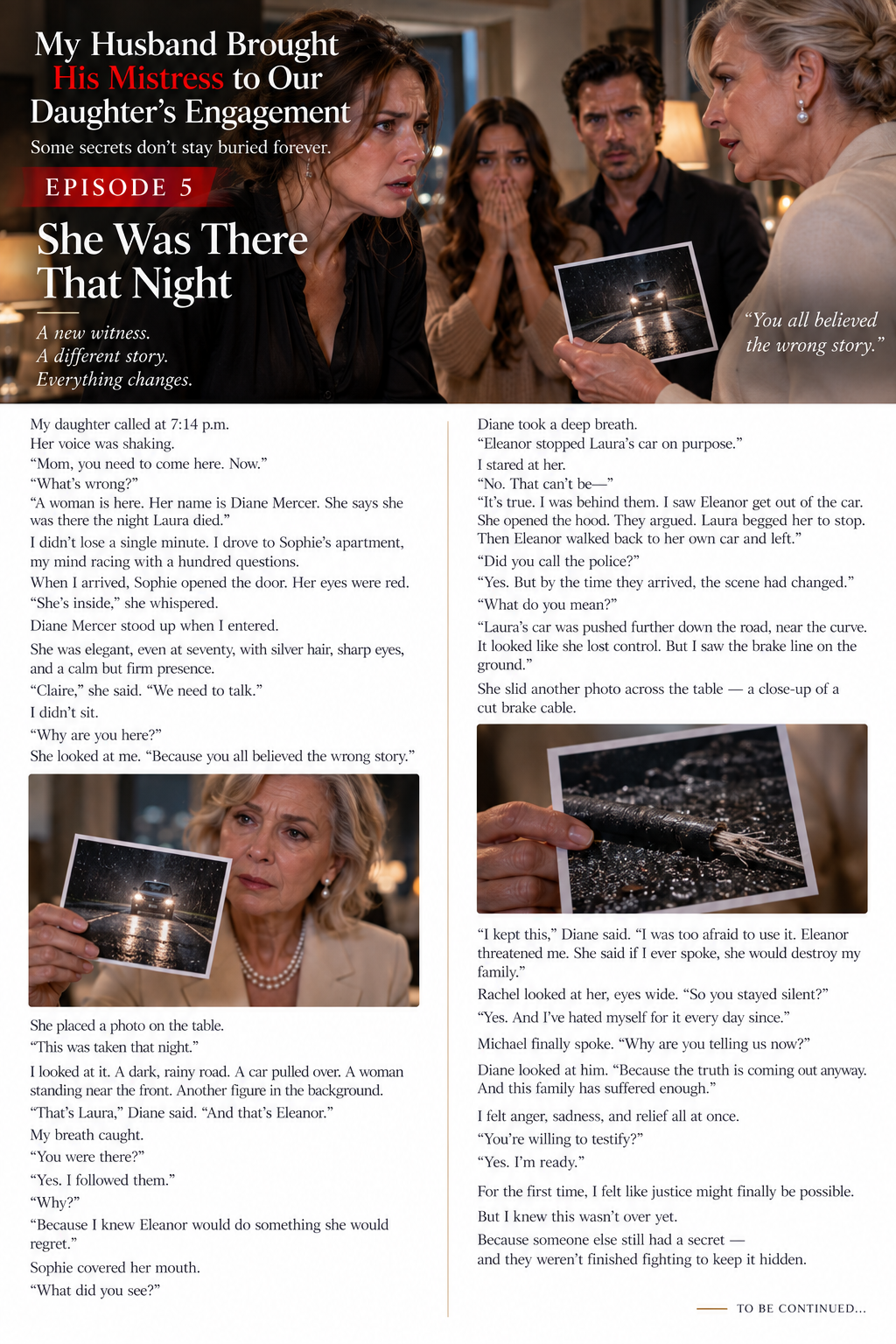
Episode 5 — She Was There the Night Laura Died
My daughter called me at 7:14 that evening. Her first words were: “Mom, don’t tell Dad I called you.” I stood in the hallway outside Thomas Mercer’s room, still trying to understand what we had just discovered. Laura had written that Eleanor tampered with her car. But Laura had not driven that car afterward. Thomas had driven Laura to the bus station. Yet an hour later, police found Laura dead inside her own car. Now Sophie was telling me that Diane Mercer—the wife Thomas had cheated on
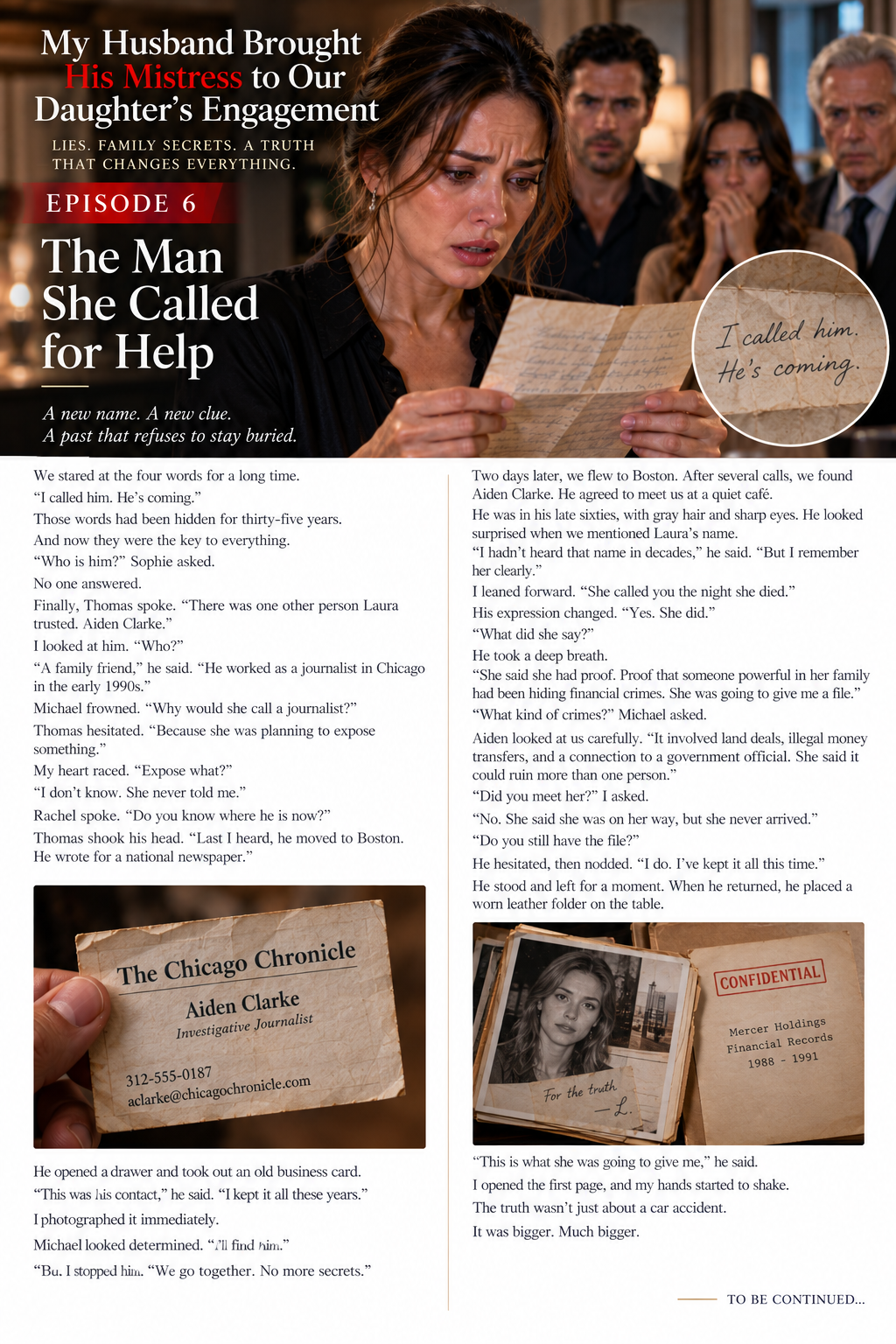
Episode 6 — The Man Laura Called for Help
We stared at the four words hidden beneath the fold of Laura’s final letter. I called him. He’s coming. Nobody spoke. Thirty-five years of lies had brought us to an unnamed man. A man Laura trusted enough to call after midnight. A man who might have known she was at the bus station. And possibly the last person to see her alive. Sophie finally broke the silence. “Who is him?” Thomas looked down. Diane watched her husband. Arthur looked terrified. Michael was staring at the handwritin
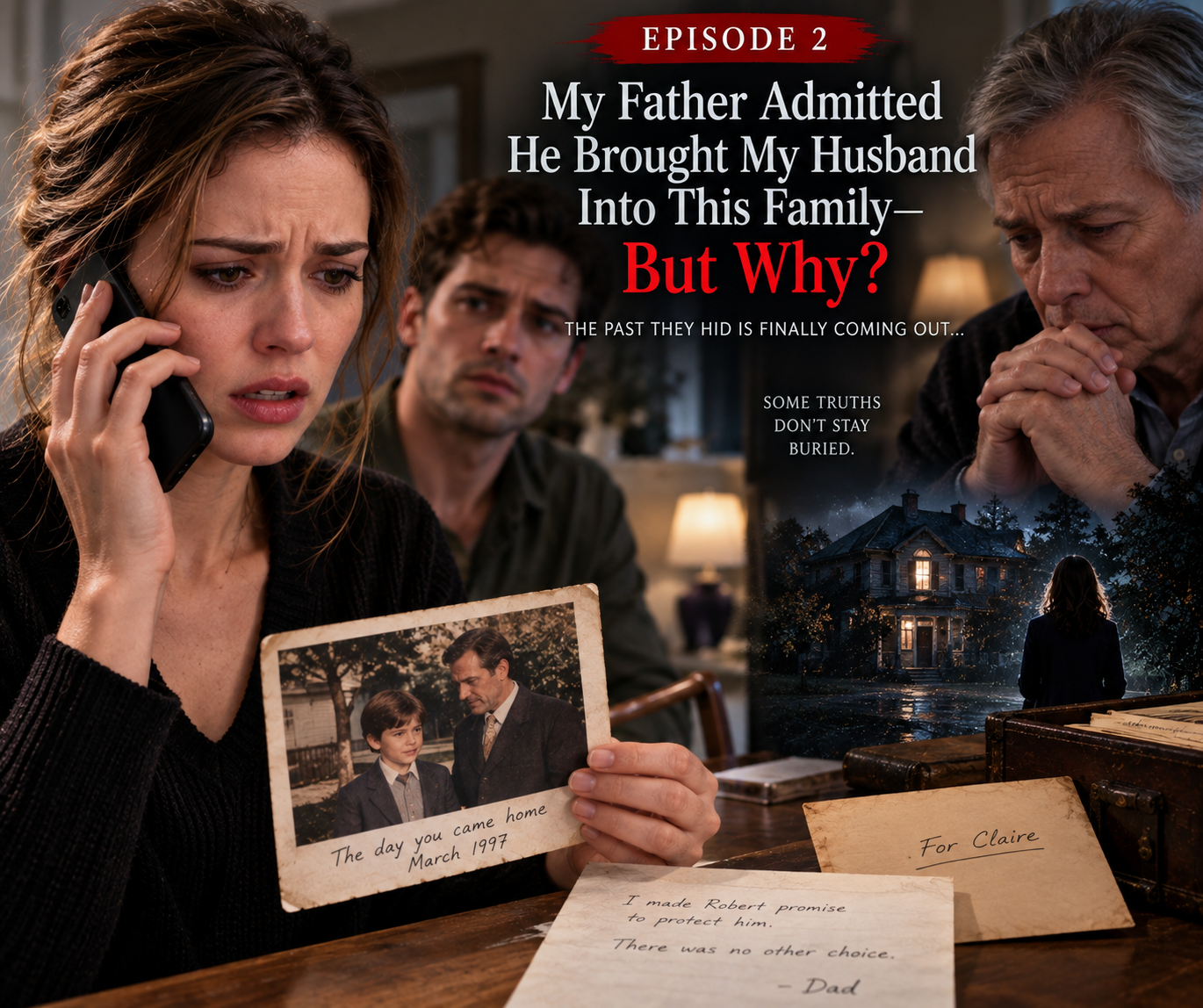
My Father Admitted He Brought My Husband Into This Family—But Why?
My father called back eleven minutes later and said, “Claire, before I tell you anything, get Daniel out of that house.” I looked across the dusty bedroom. Daniel was still holding the hospital bracelet with his biological mother’s name on it. “Why?” “Because you’re not alone.” Every hair on my arms lifted. I turned toward the hallway. Nothing. “Dad, what are you talking about?” “The house.” “What about it?” “There’s someone else there.” Daniel heard him. He walked toward me. “Put
Recommended for You
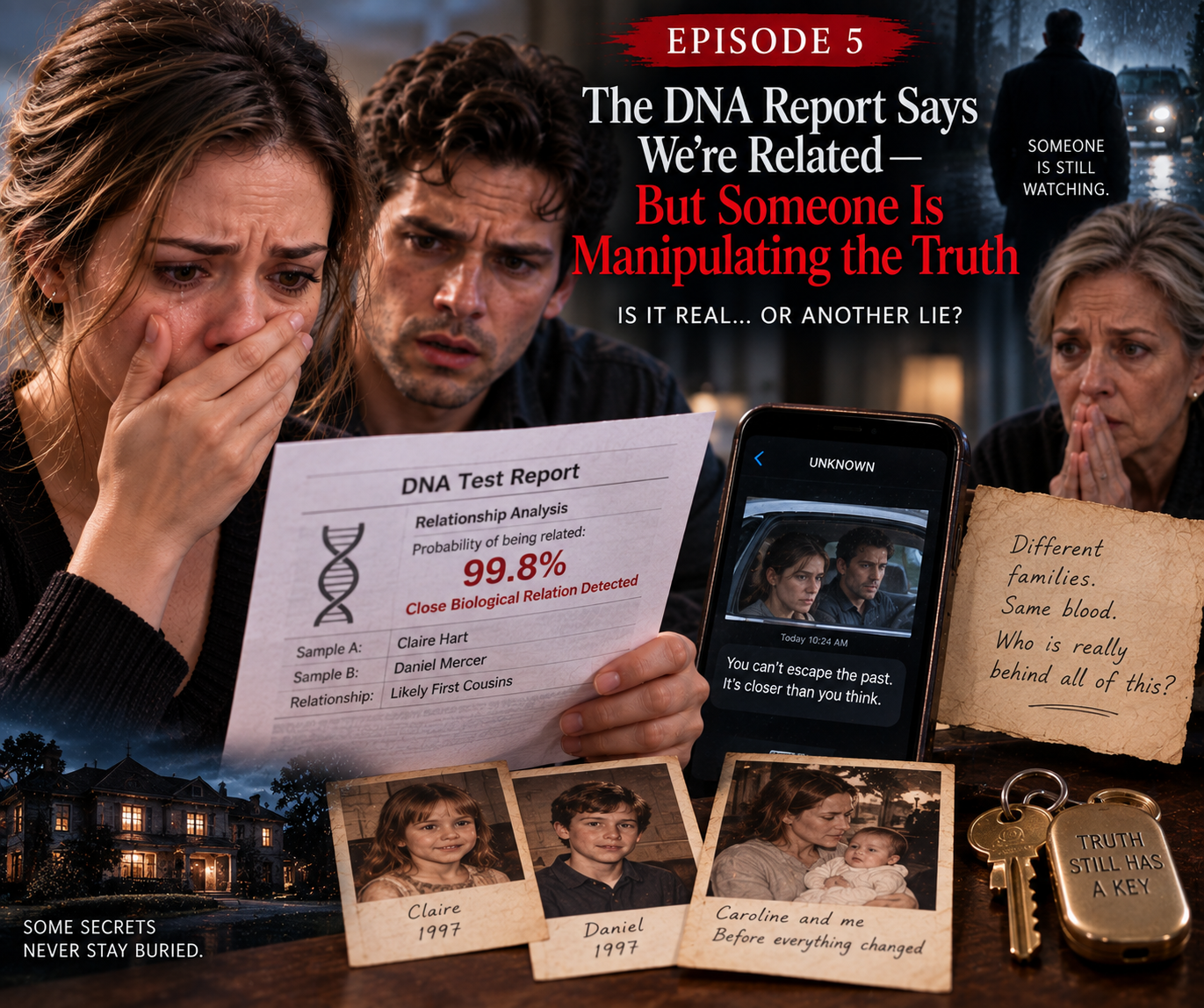
The DNA Report Said My Husband and I Were Related—Then I Saw Where the Samples Came From
“The report says we’re related.” Daniel’s words stayed in my ear. I was still standing beside Lena at the bus station. “How related?” He didn’t answer. “Daniel.” “First cousins.” My stomach turned. Lena grabbed my arm. “That’s impossible.” Daniel heard her. “Apparently not.” “Read the laboratory name,” Lena said.
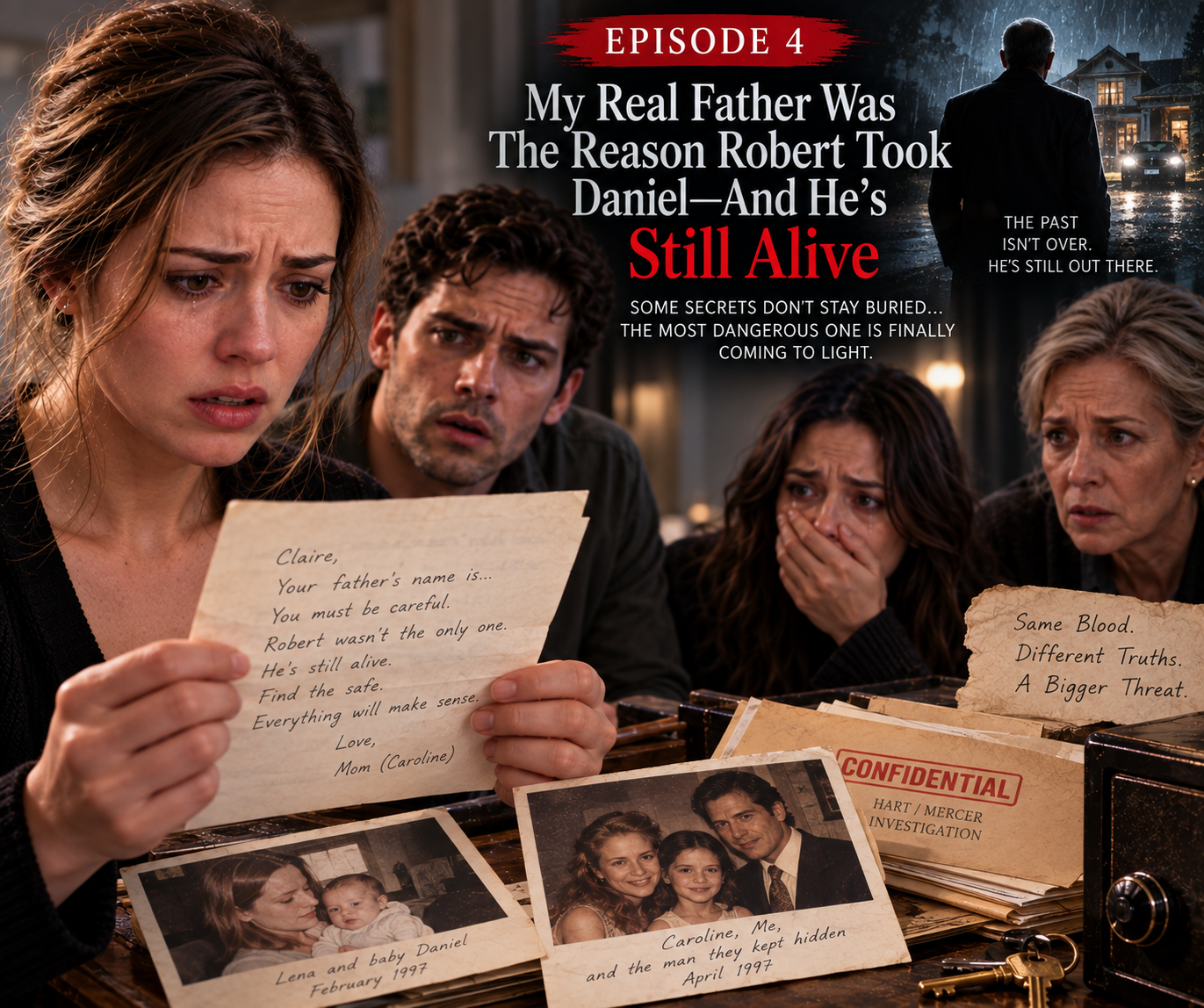
My Real Father Was the Reason Robert Took Daniel—And He’s Still Alive
Three seconds after Lena’s voicemail ended, Anna said, “I know who Claire’s father is.” Everyone turned toward her. I felt Daniel’s hand tighten around mine. “What did you say?” Anna didn’t look at me. She looked at Marianne. And Marianne suddenly looked terrified. “You promised me,” Marianne whispered. Anna shook her head. “No more promises.” I stepped between them. “You both know?” Marianne closed her eyes.
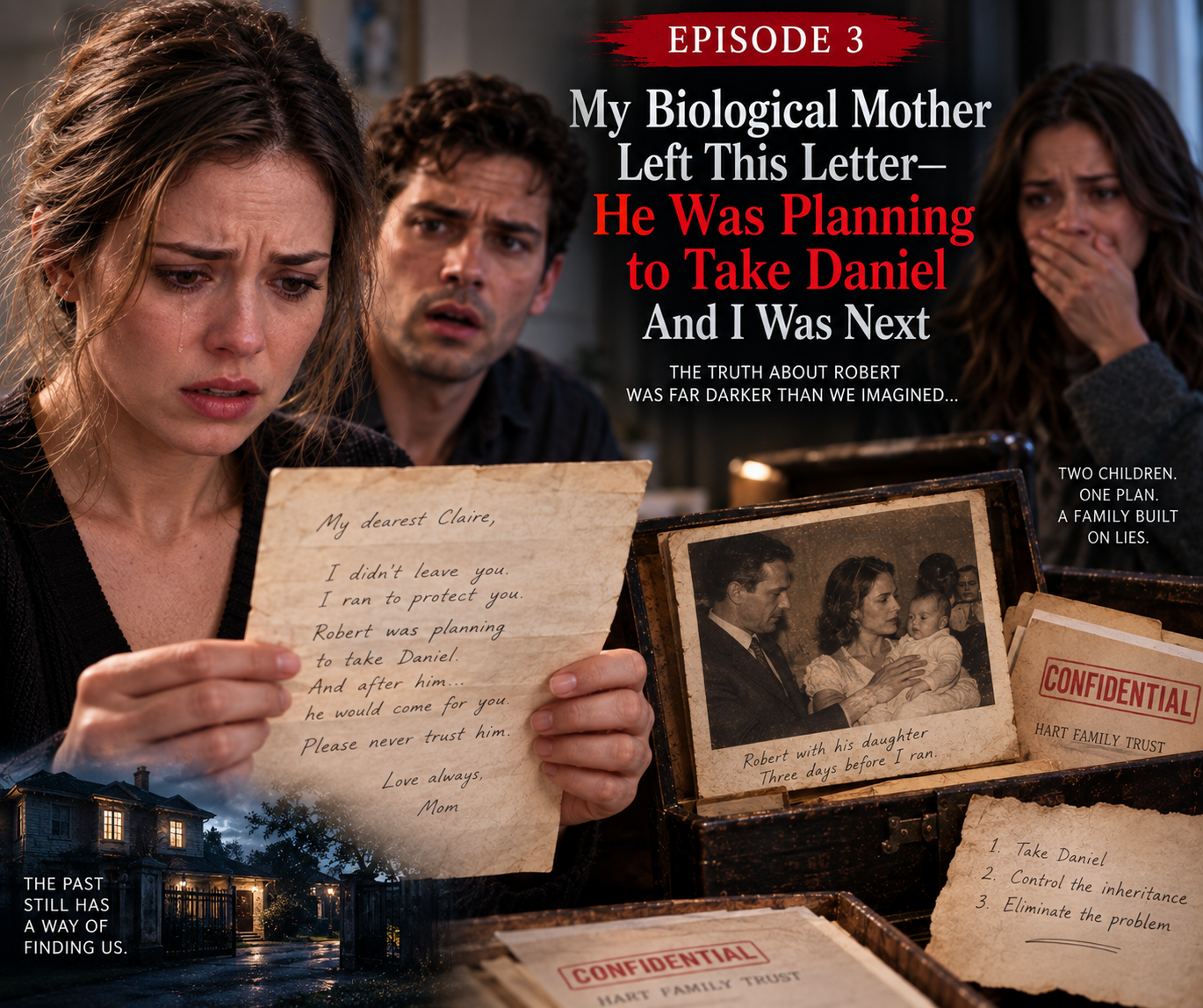
My Mother Ran Away to Protect Me—Then I Learned What My Father Planned for My Husband
The second paragraph of my biological mother’s letter said: Robert was going to take Daniel away. And Thomas helped him prepare the papers. I stopped reading. My father was still on speakerphone. “Dad.” Silence.
Join the discussion
No comments yet. Start the conversation.