Long Reads
Fast Metals is treating waste with more waste to extract critical minerals | TechCrunch

Aluminum production has saddled the world with billions of tons of caustic waste. One startup has a plan to clean it up and turn a profit.
Aluminum has left an indelible mark on the world — more than 3 billion tons of red mud, a waste product of the refining process, are currently stored in open-air ponds or mounds. But to Sumedh Gostu, co-founder and CEO of Fast Metals, there’s treasure in the caustic waste.
“It is a very rich resource,” he told TechCrunch. “If you attack with the right chemistry, it can be very profitable.”
Gostu thinks Fast Metals has found that chemistry, which just so happens to be partially comprised of another waste stream, also produced from alumina refineries.
The startup recently raised a $4.3 million pre-seed round led by New Climate Ventures with participation from Azolla Ventures, Astor Swiss, and Rio Tinto’s accelerator, Founders Factory.
Red mud’s vermillion hue comes largely from rusted iron, which is the most common compound in the mix. But the byproduct also contains critical minerals, including titanium, aluminum, and rare earth elements.
Despite its mineral riches, red mud has largely been ignored because it has been too expensive to separate those minerals from the iron oxide, Gostu said. “We are removing that impediment,” he said.
Gostu had designed most of the process during his doctoral studies at the Colorado School of Mines. But one piece was missing, until one day, while talking with his fellow co-founder Anthony Staley, things fell into place. “We were like, ‘oh wait, theres’s a waste stream which can make the whole process very economical, and it’s lying right there,’” Gostu said.
Fast Metals applies this waste stream, along with other chemicals, to red mud over six different steps. Different minerals fall out along the way, each of which can be sold.
“Iron pays for the opex, and the other stuff is profit,” Gostu said.
The profit potential is significant. Titanium dioxide sells for around $2.50 to $3 per kilogram, while scandium oxide sells for about $750 per kilogram.
With the fresh funding, Fast Metals plans to scale up its process. The startup has a commercial contract with Metalox, a mineral processor, to treat one ton of red mud and refinery waste per week later this year.
Take a break. Sharpen your mind.
Trivia, word games, puzzles and more—fresh challenges are waiting every day.
Explore all gamesRelated Articles
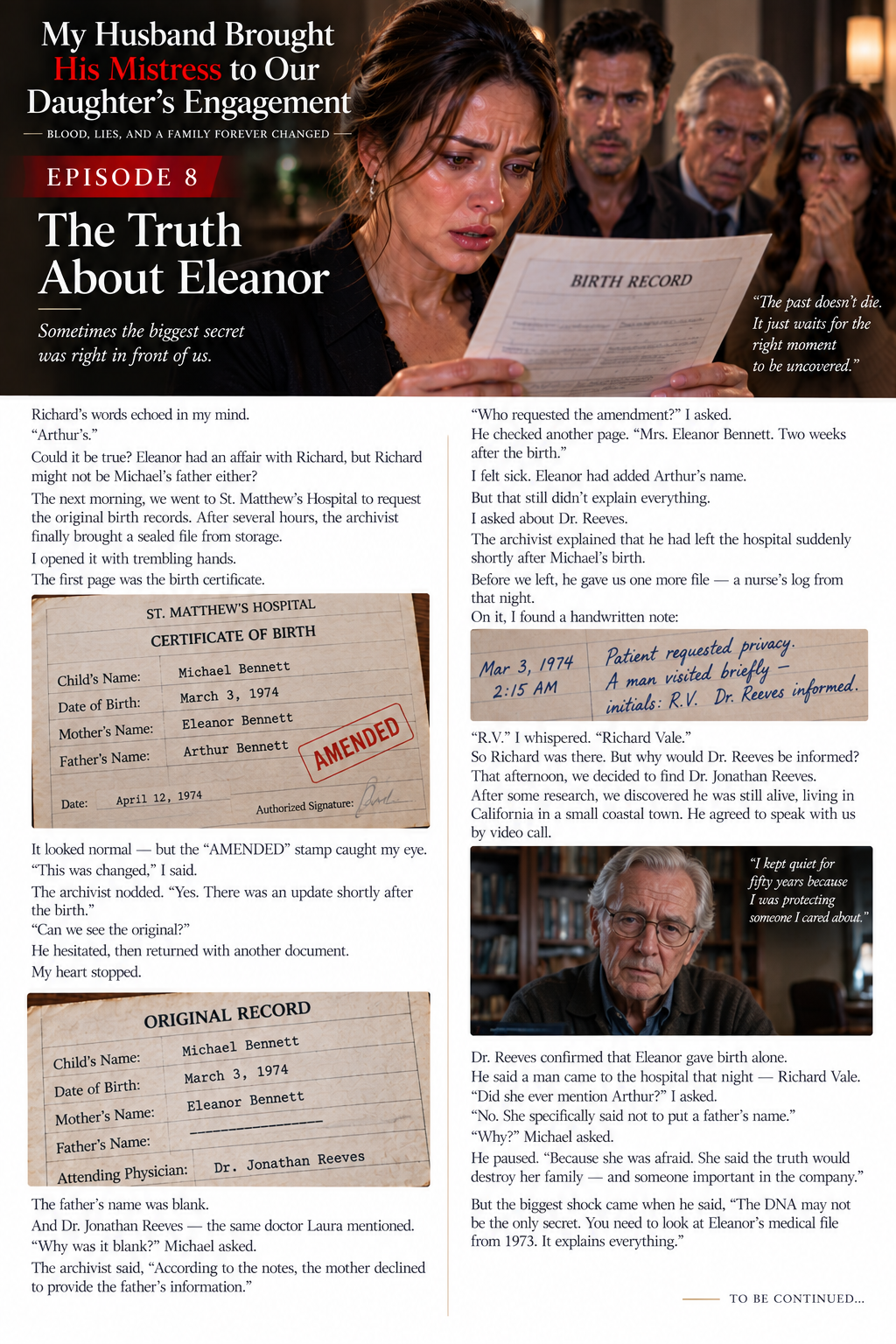
Episode 8 — The Last Secret Eleanor Took to Her Grave
Richard had just told Michael that Arthur’s name had been removed from an old hospital record. For several seconds, Michael said nothing. Then he asked the only question that mattered. “Are you my father or not?” Richard looked away. “I told you. I believed I was.” “That isn’t an answer.” “It’s the only one I have.” Michael stood so quickly his chair scraped across the floor. “You let me come here thinking you knew.” “I thought I did.” “For forty-nine years?” Richard lowered his eyes
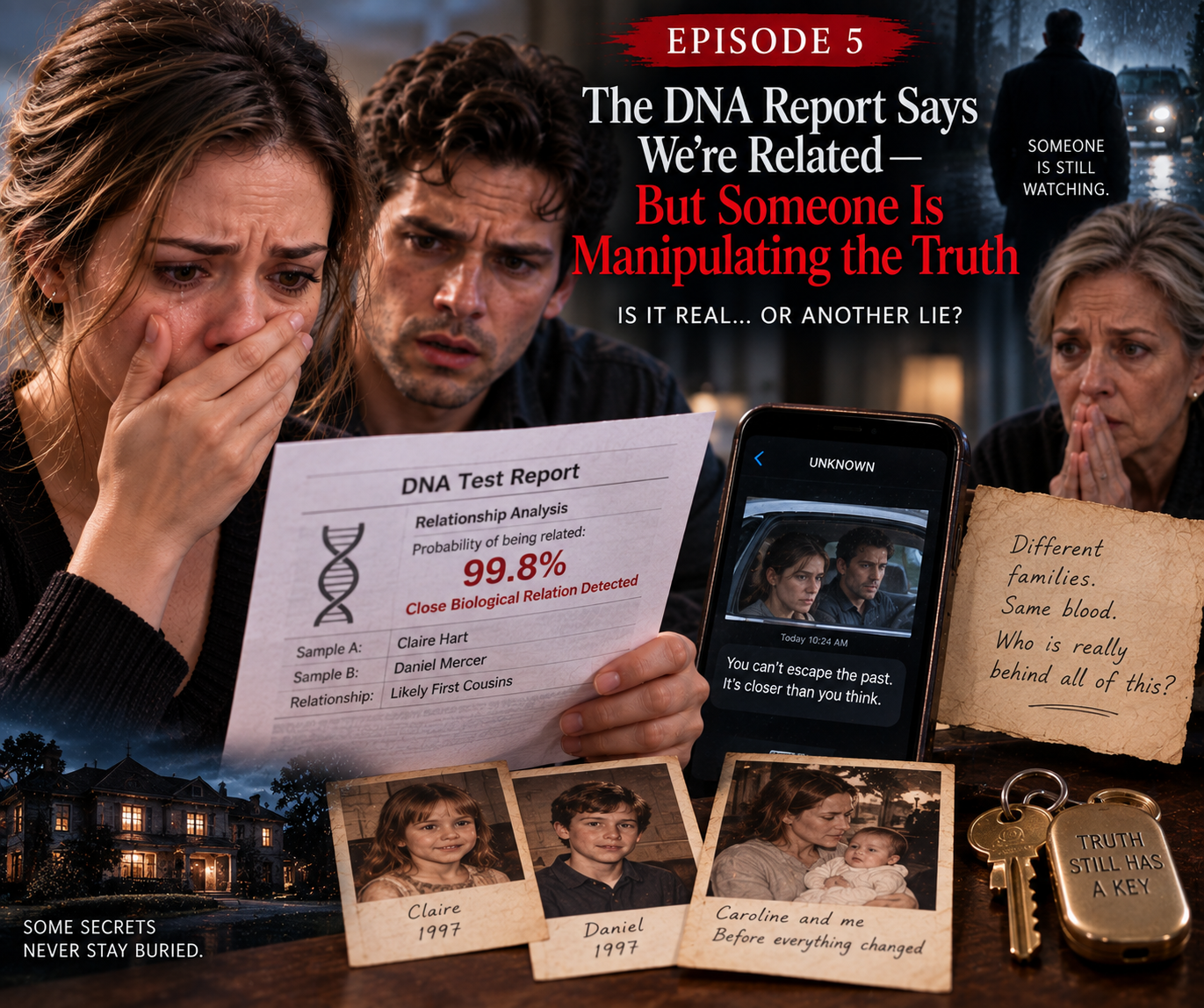
The DNA Report Said My Husband and I Were Related—Then I Saw Where the Samples Came From
“The report says we’re related.” Daniel’s words stayed in my ear. I was still standing beside Lena at the bus station. “How related?” He didn’t answer. “Daniel.” “First cousins.” My stomach turned. Lena grabbed my arm. “That’s impossible.” Daniel heard her. “Apparently not.” “Read the laboratory name,” Lena said.
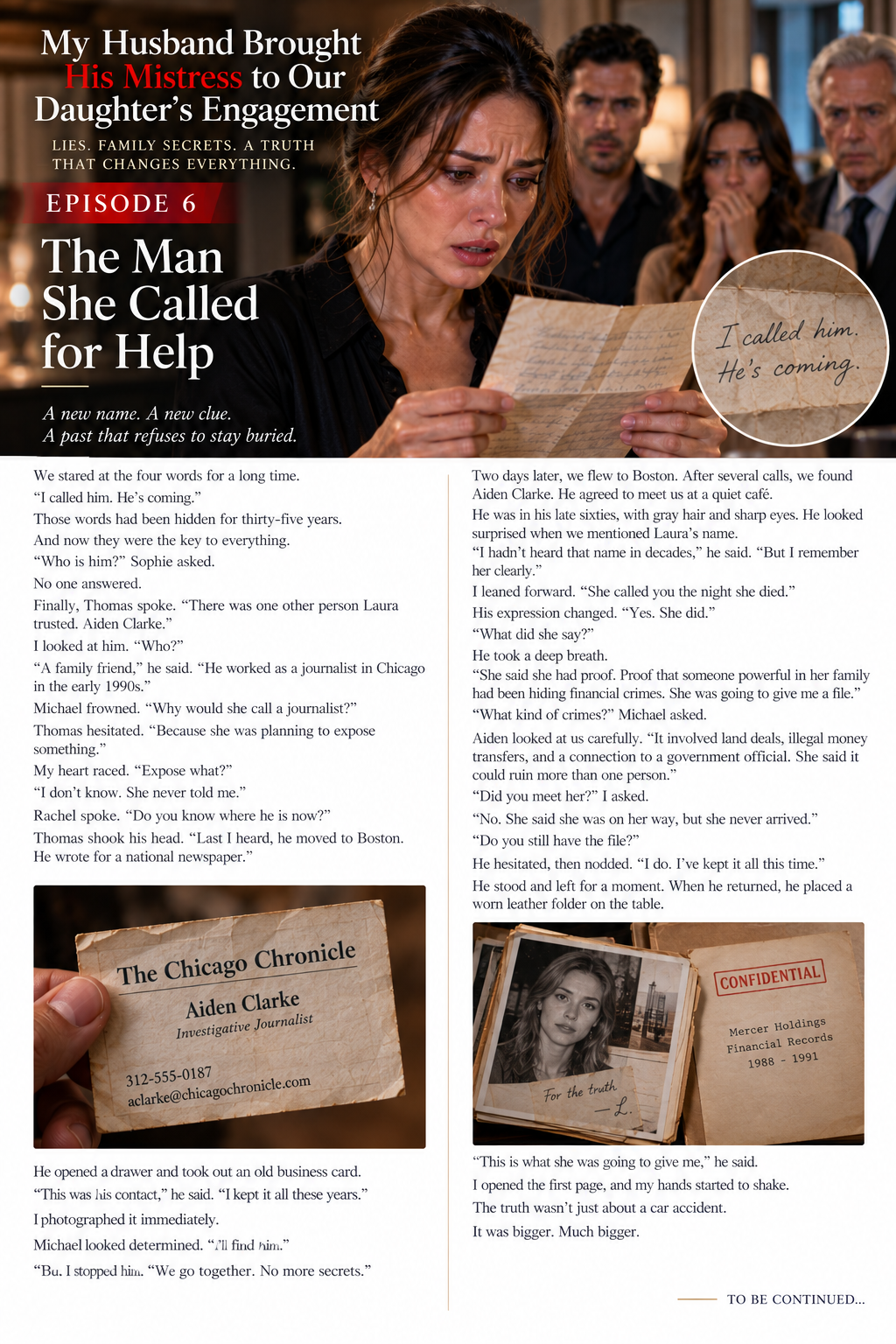
Episode 6 — The Man Laura Called for Help
We stared at the four words hidden beneath the fold of Laura’s final letter. I called him. He’s coming. Nobody spoke. Thirty-five years of lies had brought us to an unnamed man. A man Laura trusted enough to call after midnight. A man who might have known she was at the bus station. And possibly the last person to see her alive. Sophie finally broke the silence. “Who is him?” Thomas looked down. Diane watched her husband. Arthur looked terrified. Michael was staring at the handwritin
Recommended for You
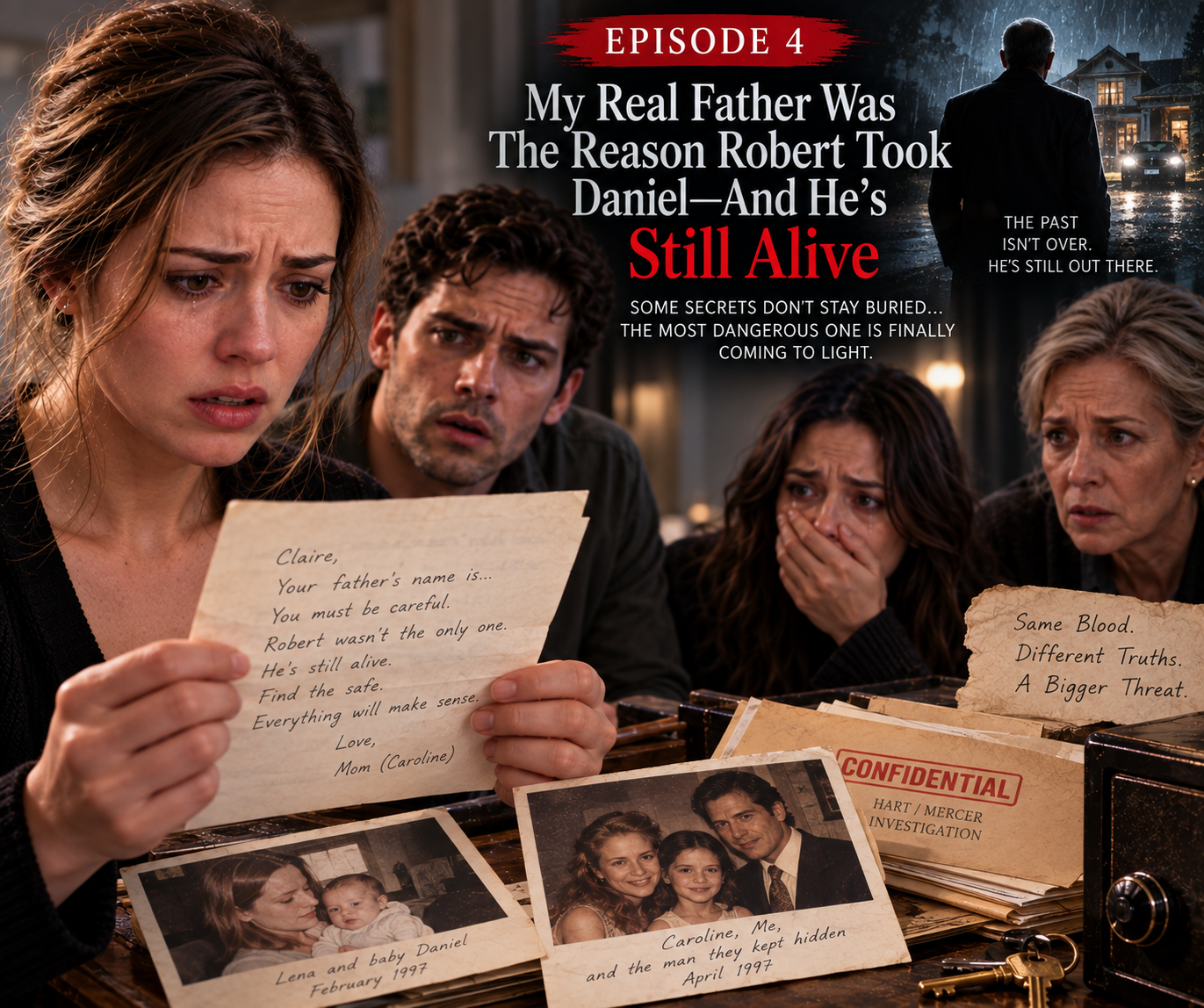
My Real Father Was the Reason Robert Took Daniel—And He’s Still Alive
Three seconds after Lena’s voicemail ended, Anna said, “I know who Claire’s father is.” Everyone turned toward her. I felt Daniel’s hand tighten around mine. “What did you say?” Anna didn’t look at me. She looked at Marianne. And Marianne suddenly looked terrified. “You promised me,” Marianne whispered. Anna shook her head. “No more promises.” I stepped between them. “You both know?” Marianne closed her eyes.
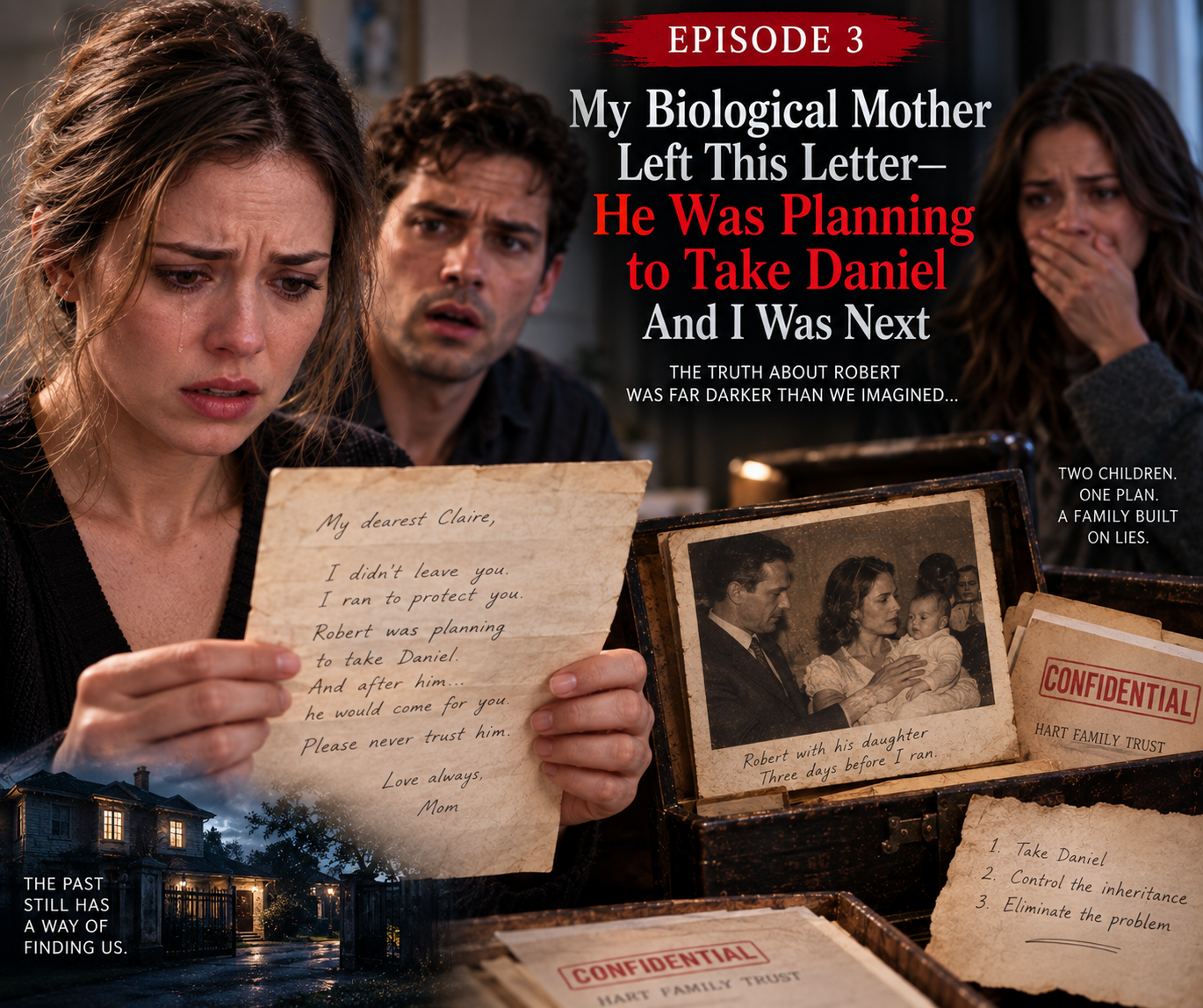
My Mother Ran Away to Protect Me—Then I Learned What My Father Planned for My Husband
The second paragraph of my biological mother’s letter said: Robert was going to take Daniel away. And Thomas helped him prepare the papers. I stopped reading. My father was still on speakerphone. “Dad.” Silence.
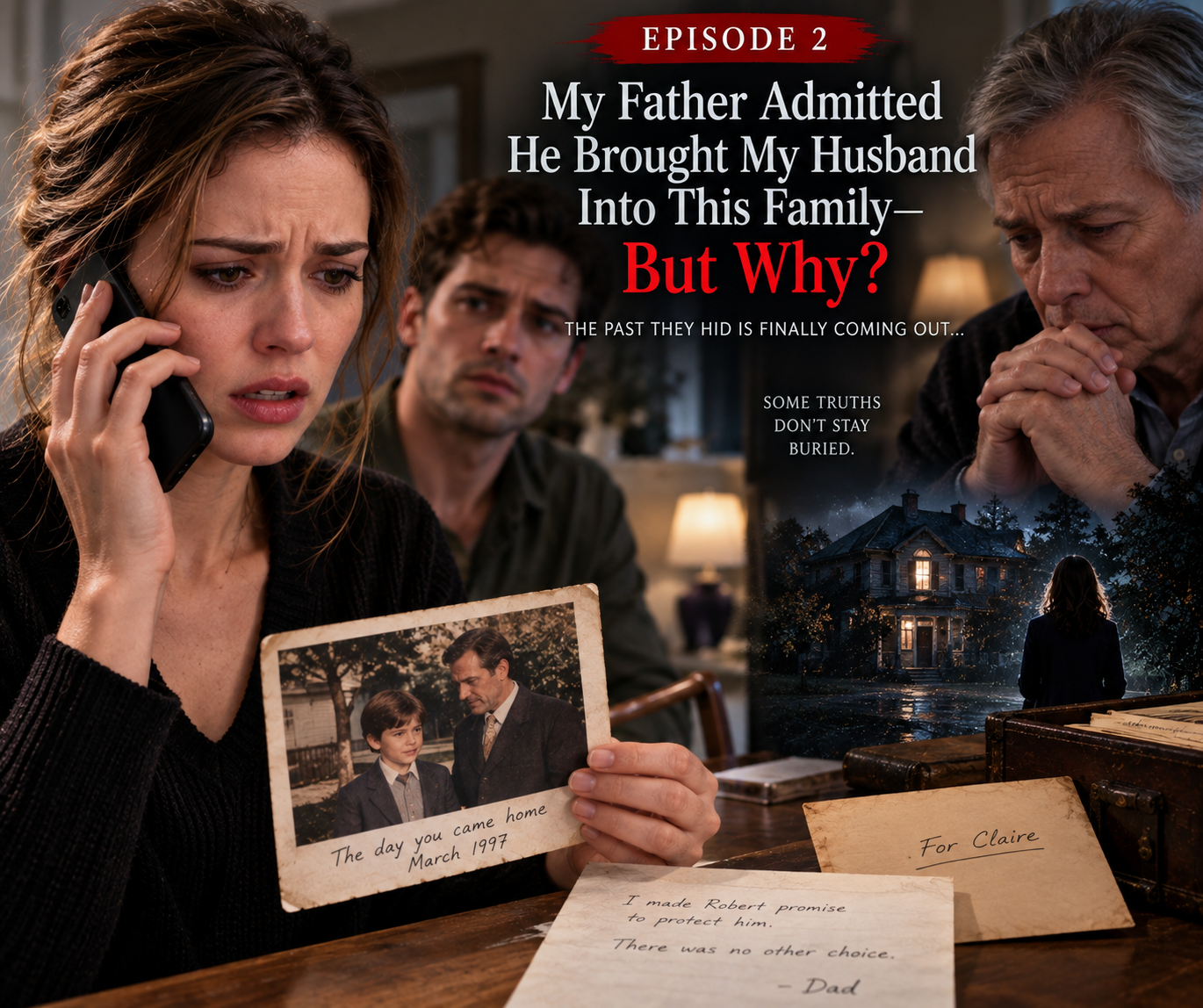
My Father Admitted He Brought My Husband Into This Family—But Why?
My father called back eleven minutes later and said, “Claire, before I tell you anything, get Daniel out of that house.” I looked across the dusty bedroom. Daniel was still holding the hospital bracelet with his biological mother’s name on it. “Why?” “Because you’re not alone.” Every hair on my arms lifted. I turned toward the hallway. Nothing. “Dad, what are you talking about?” “The house.” “What about it?” “There’s someone else there.” Daniel heard him. He walked toward me. “Put
Join the discussion
No comments yet. Start the conversation.