Long Reads
From living with nuns to sharing with seniors, here are the unconventional ways people are affording NYC | CNN Business

As New York City rents climb, some young residents, still early in their careers, are turning to unconventional living arrangements to make city life work.
Charles Jones III needed an affordable place to live in New York City, and fast.
His internship-provided housing in Manhattan was ending, and most rentals in the area were far beyond his budget. Then there were the security deposits and added fees that could add thousands more to move-in costs.
So, Jones, who is 25, turned to an option he never expected: moving into the home of a woman about 50 years older than him.
Young people continue to flock to New York for its vast job market and opportunities, but affording a place to live is increasingly a challenge. The median asking rent in the city reached $4,200 in July 2026, up 30% from July 2019, according to New York real estate listings site StreetEasy. In Manhattan, the city’s most expensive borough, the median asking rent was $4,995.
Meanwhile, the national median rent was $1,388 per month as of July 2026, according to a separate report from apartment search platform Apartment List.
New York City has always been an expensive place to live, but lately it’s become even harder for renters to make ends meet. Wage growth hasn’t kept pace with inflation and the city faces its most severe housing shortage in a generation.
Some young residents, still early in their careers, are turning to unconventional living arrangements, including living with elderly roommates, to keep their housing costs down.
Jones, who is from Boise, Idaho, learned about a program through his internship supervisor that connects people with extra rooms in their homes with other adults looking for a place to live. The monthly costs are typically lower than traditional rents in New York City, but there’s a catch: one roommate must be at least 60 years old.
Jones applied through the nonprofit New York Foundation for Senior Citizens (NYFSC) and was matched with an elderly woman who owns a home in Jamaica, Queens. He agreed to a few ground rules: He has to clean up after himself, can’t have overnight guests and can’t bring in his own furniture. But there is no curfew — he can come and go as he pleases, as long as he helps shovel the driveway when it snows.
He moved in this month and has the home’s second floor to himself for just $800 a month.
“We hit it off,” Jones said of the initial meeting with his new roommate. He said she was impressed by his ambition to work in public policy. “She reminded me of my grandma.”
More young people want to move in with seniors
Linda Hoffman, president and CEO of the NYFSC, said the foundation initially facilitated home-sharing arrangements only between senior citizens. But it eventually opened the program to younger people.
“We realized there are these younger that need affordable housing as well,” she said. “We have people who have just gotten out of school, are looking for jobs or have new jobs here and don’t know anyone.”
Compared to traditional rentals in New York, the NYFSC program is more affordable: The average monthly fee that hosts charge to their housemates is $1,108, according to NYFSC data provided to CNN.
A majority of New Yorkers are considered “rent-burdened,” meaning they spend more than 30% of their gross income on rent and utilities, according to a 2024 report from the New York City Comptroller’s Office.
In Manhattan, a household would need to earn about $199,800 a year to avoid being considered rent-burdened based on StreetEasy’s median rents for July 2026.
Interest in the NYFSC program from younger New Yorkers has steadily increased, Hoffman said. In fiscal year 2023-24, 16.1% of home-share matches involved someone age 30 or younger. That share rose to 18% in fiscal year 2024-25 and to 20.4% in the fiscal year that ended in June, she said.
Unconventional living situations going viral
With rentals more expensive than ever, social media posts on how to save money in New York often rack up thousands of likes.
William Swanson, a 22-year-old from Massachusetts who moved to the city this spring, went viral on TikTok for sharing his experience living – and bonding – with his elderly roommate.
Swanson’s job started June 1, earlier than most of his friends’ jobs. He needed a place to live for about a month while he waited for them to move to the city so that they could find an apartment together.
It was a tough search – most short-term rentals near his job were at least $2,500, Swanson said. That was, until he came across Aleyda’s home on a rental listing website.
Aleyda, a 70-year-old woman who primarily spoke Spanish, was offering a room in Manhattan’s neighborhood of Midtown East for $1,900 per month.
“It was expensive, but the other option was basically living in a situation where I either don’t necessarily feel safe or it’s not clean or it’s very far away,” Swanson said. “I was talking to her and I was like, ‘This is kind of an awesome option. I’d rather live with a lovely, nice older woman.’”
Two days into living there, Swanson posted a video to TikTok, sharing texts from Aleyda where she offered to cook him chicken, rice and salad. “If you don’t like it, that’s fine, but I’m making it with a lot of love,” the text read. The video has more than 3 million views.
Swanson said that if rents had been cheaper or there had been more living options, he likely wouldn’t have moved in with Aleyda.
“I’m thankful that I had that experience and honestly, I wouldn’t have traded it for a more conventional housing option,” he added.
A way to save up
For younger New Yorkers, these unconventional living arrangements can buy them time to save up and eventually afford a place of their own.
The first two places Katie Rettig lived in New York were anything but conventional. When she needed to find a place quickly before starting a new job, she took to Google — and ended up finding a convent.
She moved into Sacred Heart in Manhattan’s Chelsea neighborhood, paying $1,500 a month. The nuns cooked dinner every night, often leaving leftovers for residents to take to work for lunch the next day. There were rules — a 10 p.m. curfew and no men allowed — but she had her own furnished room, with a bathroom shared by several other residents.
Rettig stayed for just two months. But she had enjoyed the experience so much that when it was time to move again, she chose another convent: Saint Mary’s Residence on the Upper East Side. She stayed for nearly a year, paying $1,100 a month, and made friends with the other residents.
“I loved living with the nuns; they’re just such great gals at the end of the day. I think living with people who lead a different life than you, there’s nothing but a benefit from that,” Rettig said.
Rettig, who is 32, also shared her experience on social media earlier this year, getting thousands of views on her posts about living in the convents.
“Staying there allowed me extra room in the budget, travel savings, food, basic life things that for many have become luxuries,” she told CNN.
It also gave Rettig a comfortable situation where she could take as much time as she needed to find a place of her own within her price range.
Jones is still getting situated in his new living situation in Jamaica, Queens, but he said he also hopes the lower monthly expenses will allow him to save money.
He couldn’t afford the security deposit upfront, but his host agreed to let him spread the payments over the next few months.
Jones’ new home is filled with the host’s family members coming and going, with some living on the upper floors. In some ways, Jones said, they remind him of his family back home in Boise.
“I could stay here for two or three years and ultimately I’ll be saving a lot,” Jones said. “It could help pay back my student loans and then I could get my own place.”


Take a break. Sharpen your mind.
Trivia, word games, puzzles and more—fresh challenges are waiting every day.
Explore all gamesRelated Articles
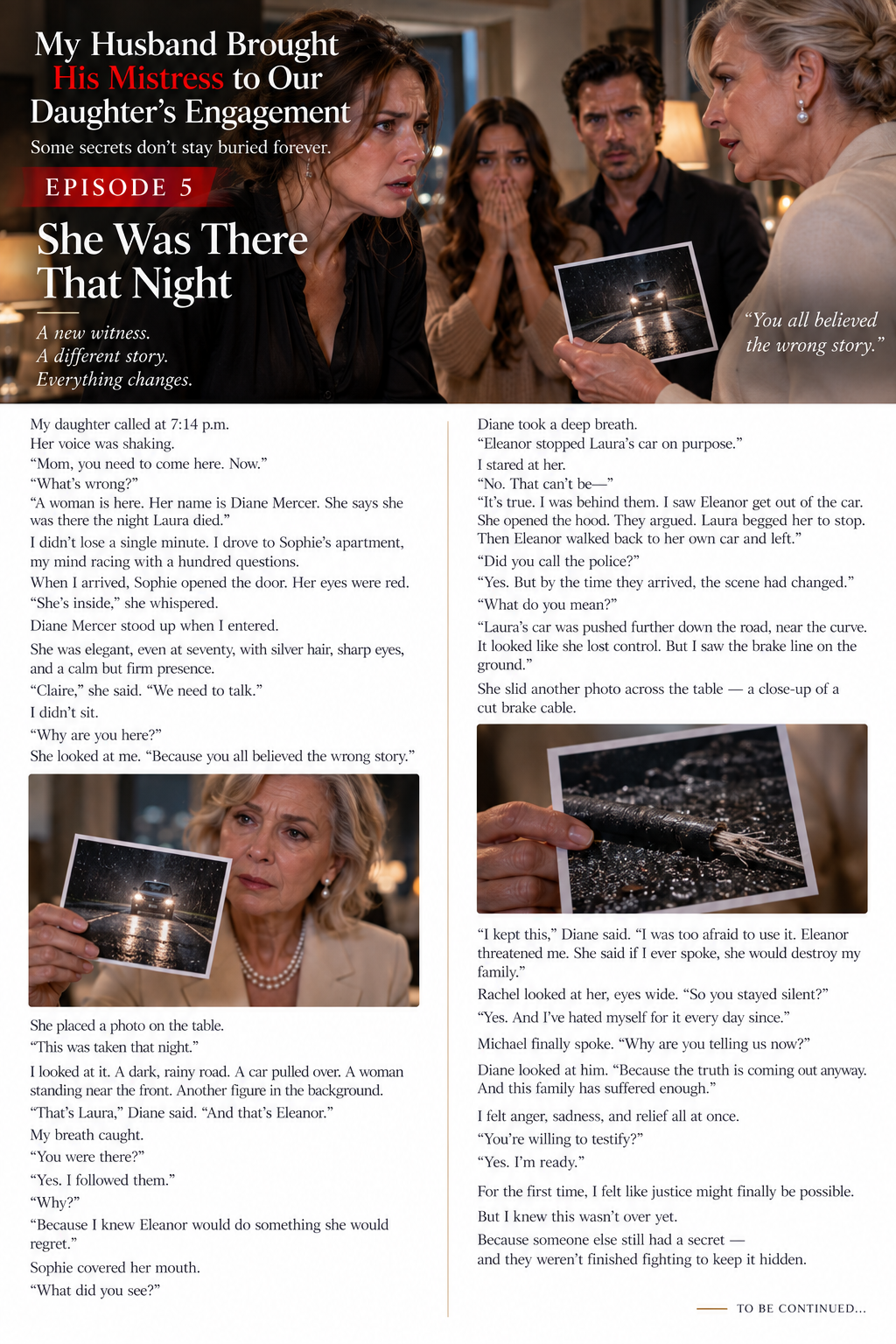
Episode 5 — She Was There the Night Laura Died
My daughter called me at 7:14 that evening. Her first words were: “Mom, don’t tell Dad I called you.” I stood in the hallway outside Thomas Mercer’s room, still trying to understand what we had just discovered. Laura had written that Eleanor tampered with her car. But Laura had not driven that car afterward. Thomas had driven Laura to the bus station. Yet an hour later, police found Laura dead inside her own car. Now Sophie was telling me that Diane Mercer—the wife Thomas had cheated on

The DNA Report Said My Husband and I Were Related—Then I Saw Where the Samples Came From
“The report says we’re related.” Daniel’s words stayed in my ear. I was still standing beside Lena at the bus station. “How related?” He didn’t answer. “Daniel.” “First cousins.” My stomach turned. Lena grabbed my arm. “That’s impossible.” Daniel heard her. “Apparently not.” “Read the laboratory name,” Lena said.
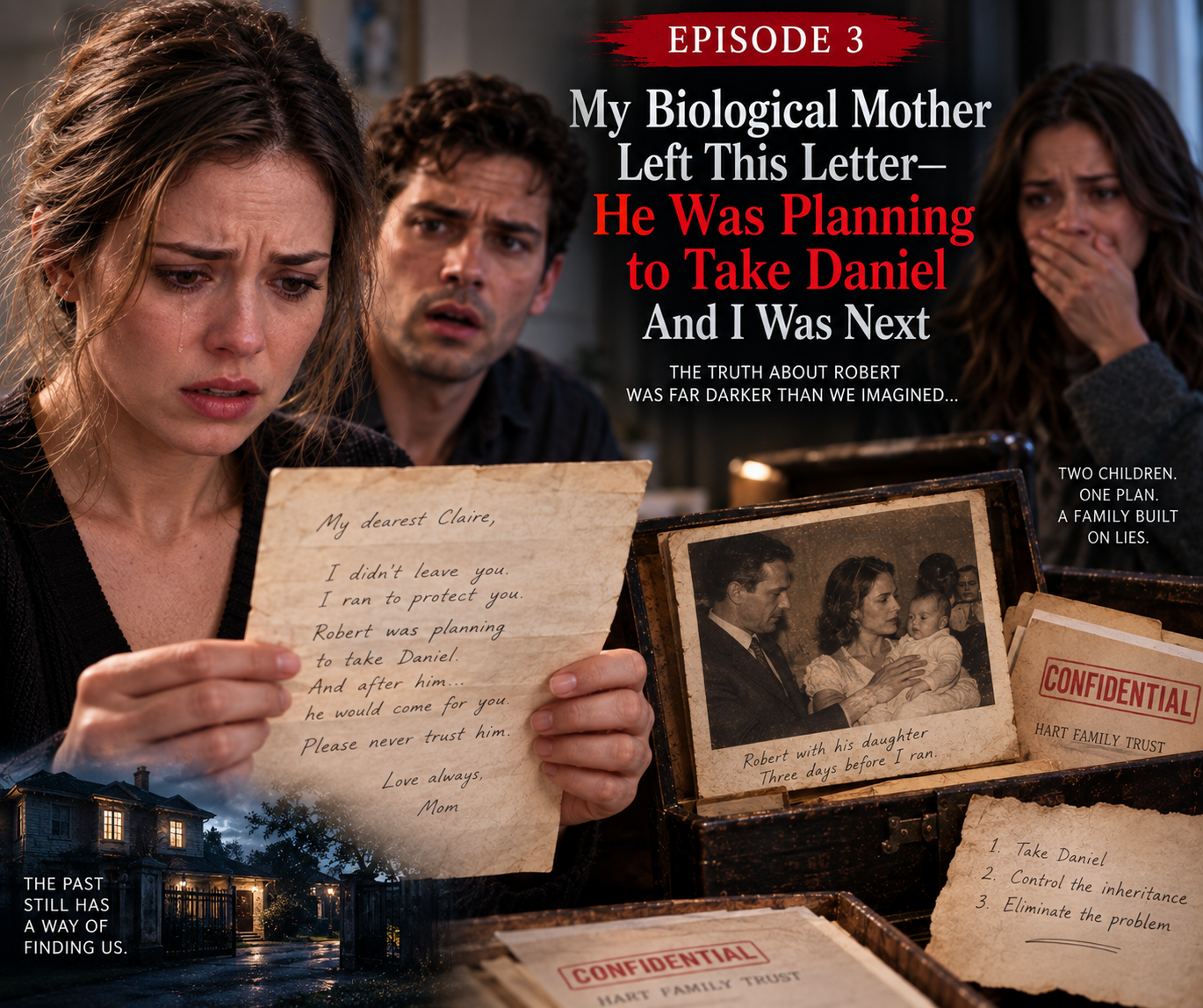
My Mother Ran Away to Protect Me—Then I Learned What My Father Planned for My Husband
The second paragraph of my biological mother’s letter said: Robert was going to take Daniel away. And Thomas helped him prepare the papers. I stopped reading. My father was still on speakerphone. “Dad.” Silence.
Recommended for You
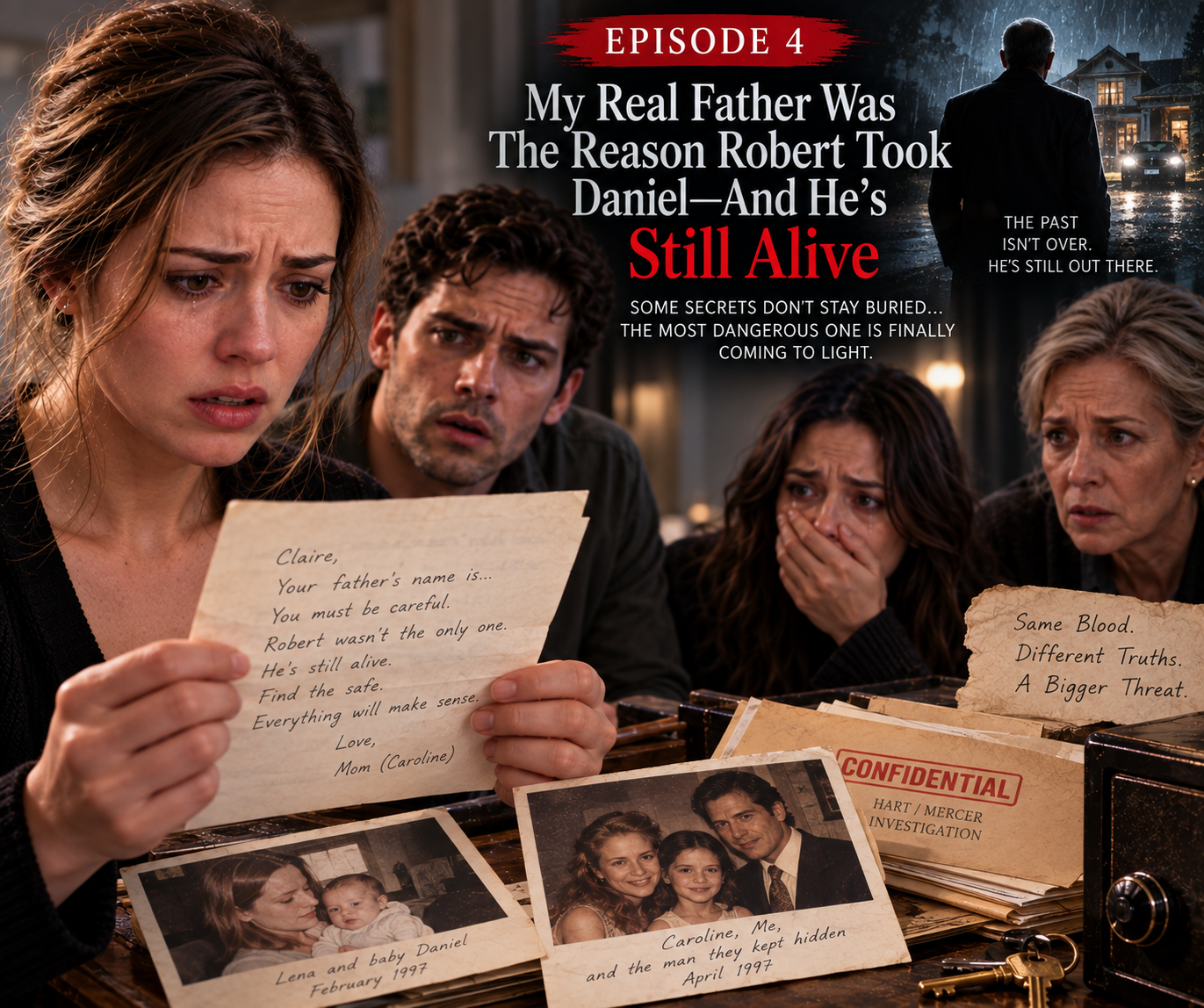
My Real Father Was the Reason Robert Took Daniel—And He’s Still Alive
Three seconds after Lena’s voicemail ended, Anna said, “I know who Claire’s father is.” Everyone turned toward her. I felt Daniel’s hand tighten around mine. “What did you say?” Anna didn’t look at me. She looked at Marianne. And Marianne suddenly looked terrified. “You promised me,” Marianne whispered. Anna shook her head. “No more promises.” I stepped between them. “You both know?” Marianne closed her eyes.

My Father Admitted He Brought My Husband Into This Family—But Why?
My father called back eleven minutes later and said, “Claire, before I tell you anything, get Daniel out of that house.” I looked across the dusty bedroom. Daniel was still holding the hospital bracelet with his biological mother’s name on it. “Why?” “Because you’re not alone.” Every hair on my arms lifted. I turned toward the hallway. Nothing. “Dad, what are you talking about?” “The house.” “What about it?” “There’s someone else there.” Daniel heard him. He walked toward me. “Put
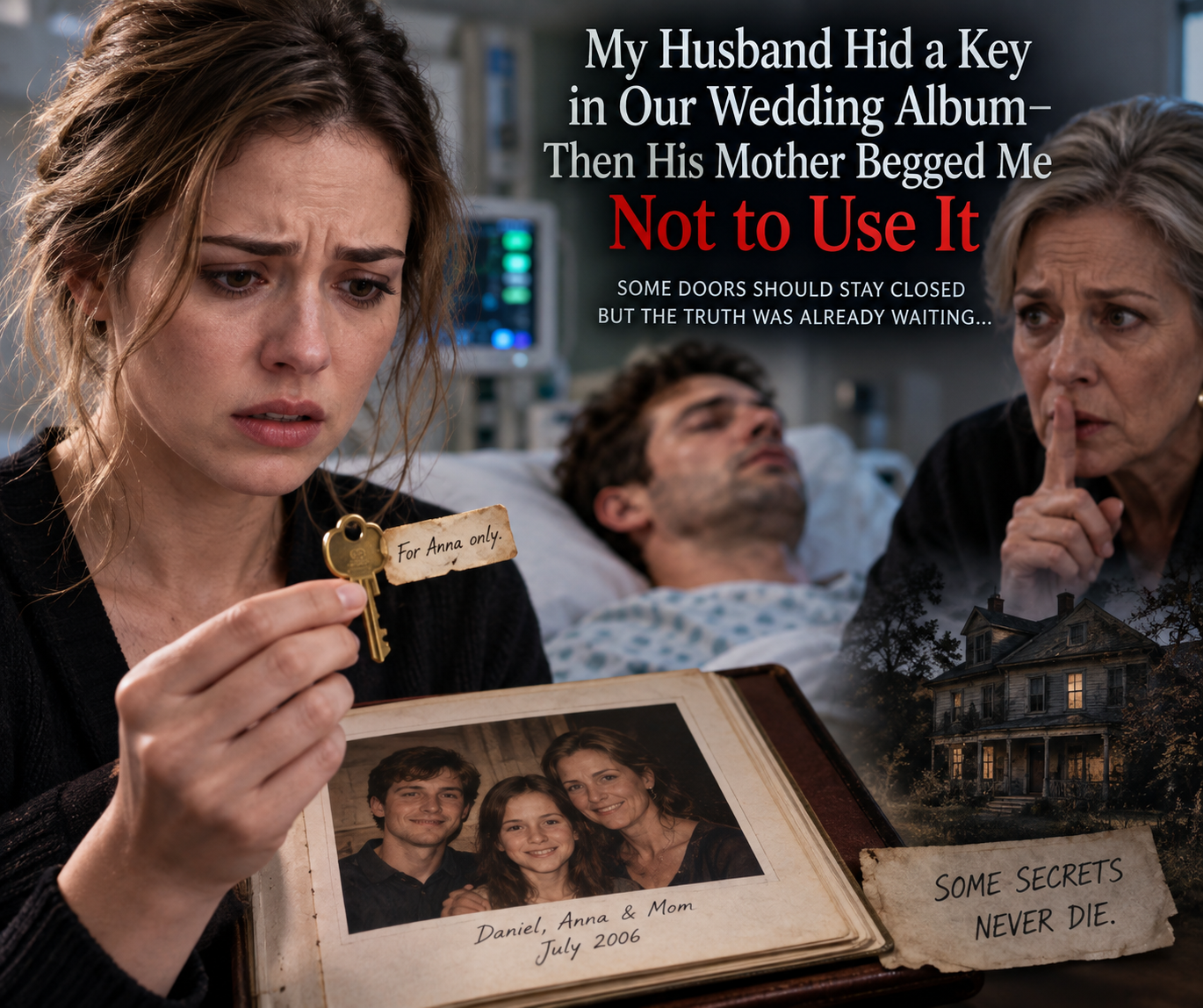
My Husband hide a key in our wedding album then his mother begged me not to use
My husband was unconscious in the emergency room when his mother grabbed my wrist and whispered, “Whatever you find in his wallet, don’t go to that house.” I stared at her. “What house?” Her face changed immediately. “I shouldn’t have said anything.” That was when the nurse returned Daniel’s belongings to me. His phone. His watch. His wedding ring.
Join the discussion
No comments yet. Start the conversation.