Long Reads
It’s ‘Black August’ in Russia, but Putin is sweeping this summer’s crisis under the rug | CNN

“Black August,” or “the August curse,” has become a sort of journalistic shorthand in Russia for dramatic crises that seem to happen in the last weeks of summer. But amid the uneasy speculation this year, Putin has projected his usual aura of confidence.
Over the past few decades, “Black August,” or “the August curse,” has become a sort of journalistic shorthand in Russia for dramatic crises that seem to happen in the last weeks of summer.
In some respects, Black August is Russia’s rough equivalent to the “silly season” in British journalism, the late-summer lull when frivolous headlines seem to dominate while parliament is out of session and royals are on holiday – or announce surprise returns home. But Russian folk wisdom is more pessimistic: a scan of recent Russian history appears to support the belief that dramatic, Black Swan events do tend to strike in August.
Thirty-five years ago, a group of Communist hardliners led a failed putsch against Soviet leader Mikhail Gorbachev, unleashing the centrifugal forces that ultimately led to the collapse of the Soviet Union. In August 1998, a financial crisis hit Russia, causing a default on domestic debt and a collapse of the ruble. And one year later, a group of militants led an incursion into the southern Russian republic of Dagestan, kicking off the second Chechen War, a conflict that launched a political unknown, a former KGB officer named Vladimir Putin, into the top echelon of power.
Putin became Russian leader on New Year’s Eve of 1999, after a surprise handover by President Boris Yeltsin. But the new tough-guy leader was not immune from the August Curse either. One of his first major tests in office was the sinking of the Kursk, a nuclear submarine that went down with 118 sailors on board. And in August 2008, Russia went to war with neighboring Georgia, showing the belligerent new face of Putin’s foreign policy.
The past summer in Russia has also been shaping up as a bleak season for Putin’s Russia. Progress on the contested front lines in Ukraine by Russian troops has been scant; the skies over Russian cities have been blackened by Ukrainian strikes on oil refineries and Amazon-style distribution centers; and long lines at the fuel pumps and rumors of a fresh wave of mobilization have Russians grumbling.
Is this another Black August?
Exiled Russian commentator Ilya Varlamov posted his thoughts on that question this week, saying recurring historical disasters in August were “a coincidence, of course.”
But, Varlamov continued, “many Russians await August with apprehension. Especially now, when the country is truly in crisis. … The fuel crisis has returned, prices are rising and have no intention of stopping, the ruble is falling, elections are coming and God knows what else.”
Varlamov also noted the recently publicized remarks made by a top Russian economist, who warned that Moscow was facing a “social crisis” and “losing both the technological and economic competition globally” and would not win a war of attrition against a Ukraine backed by the West.
Even loyal, pro-Kremlin tabloid Moskovsky Komsomolets noted the traditional August anxieties in Russia, though it turned to astrology for guidance. “A lunar eclipse is set to occur this month; while not the most massive one, it will take place opposite Pluto – a planet associated with catastrophes,” the article read.
“This could trigger social shifts, political changes in relations with neighbors, and domestic unrest. Incidents of accidents, heightened anxiety, and breakdowns – including nervous disorders – may increase.”
But amid the uneasy speculation, Putin has projected his usual aura of confidence.
In remarks Wednesday on infrastructure and development projects, the Kremlin leader acknowledged the economic damage inflicted by Ukraine by strikes on the warehouses of e-commerce giant Wildberries, without naming the company – but downplayed their long-term impact.
“It goes without saying that these attacks will not have, do not cause and cannot bring about any critical consequences,” he said. “True, they do cause harm – this much is obvious, and we understand this, we see this, and we are aware of it.”
The Russian president said those logistics facilities would be built back with government support. But the war in Ukraine has been coming ever closer to home for many Russians, hitting them squarely in the pocketbooks.
Ukraine is also weathering domestic crisis in wartime. Earlier this week, recently ousted Defense Minister Mykhailo Fedorov called for wartime elections, presenting a fresh political challenge to Ukrainian President Volodymyr Zelensky.
Whatever the merits of Fedorov’s arguments, the move potentially presents a fresh talking point to Putin, who has publicly and repeatedly cast doubt on Zelensky’s legitimacy as president.
Therein lies the contrast.
Zelensky’s five-year term was originally expected to end in 2024, but elections in Ukraine have been postponed under martial law imposed following Russia’s full-scale invasion in 2022. And the government reshuffles in Kyiv, as well as major anti-government protests, show that civil society and democratic processes are still alive and well in Ukraine.
The same can hardly be said for Russia. On Monday, a court in that country convicted opposition politician Lev Shlosberg to 11 years in prison for opposing the war in Ukraine Russia’s Supreme Court also barred Shlosberg’s party, Yabloko, from appearing on the ballot in upcoming parliamentary elections.
Russia’s domestic political opposition, then, has been effectively throttled since Putin launched his war on Ukraine. As the American author Ernest Hemingway would doubtless recognize, the stifling of civil society seemed to happen slowly, then all at once with the death of jailed opposition leader Alexey Navalny in February 2024. Navalny’s fatal journey to an Arctic prison colony also began on an August day in 2020, when he fell ill from nerve-agent poisoning on a return flight to Moscow from Siberia.
Coincidence or not, the month of August has been a punishing one for Russia.


Take a break. Sharpen your mind.
Trivia, word games, puzzles and more—fresh challenges are waiting every day.
Explore all gamesRelated Articles
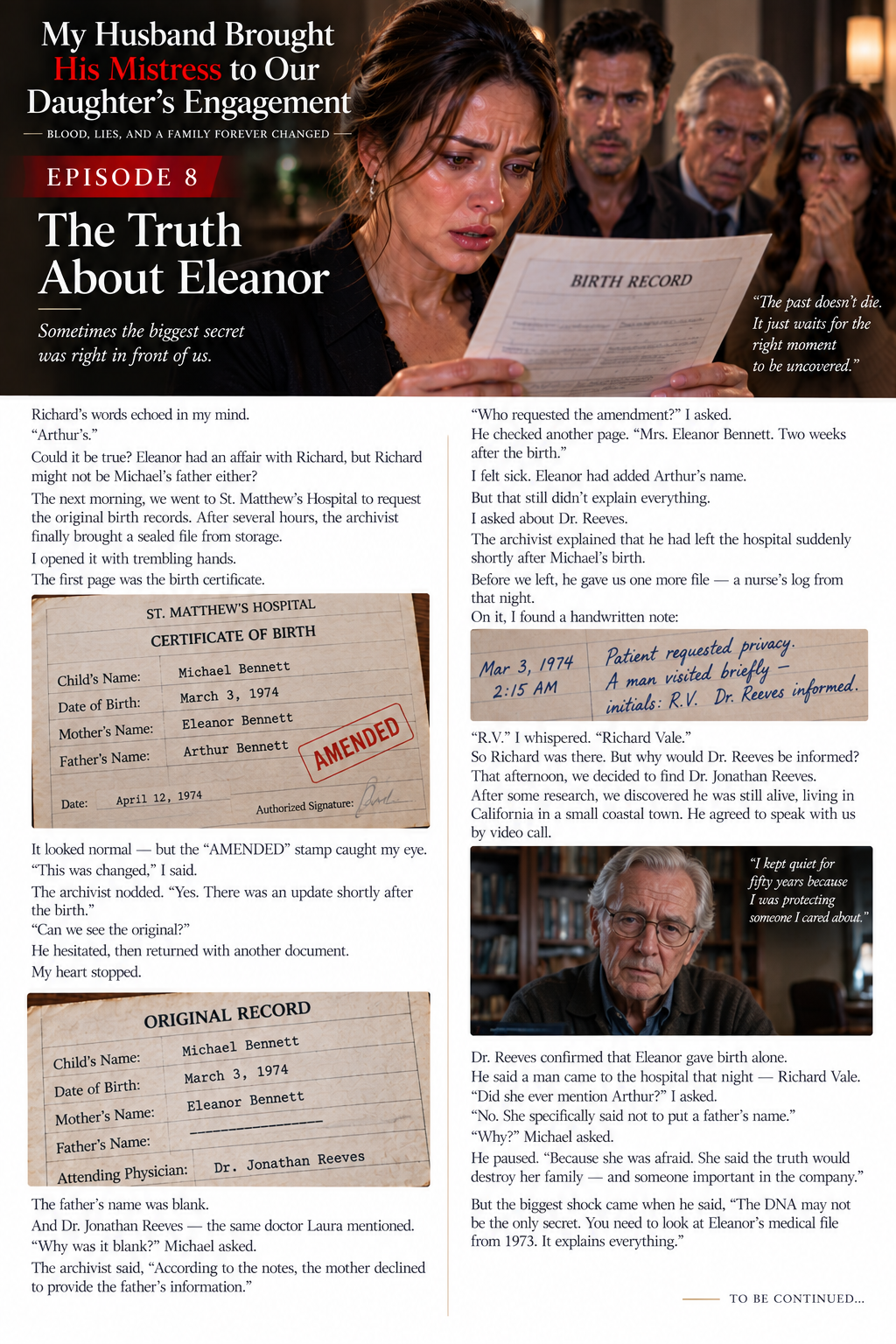
Episode 8 — The Last Secret Eleanor Took to Her Grave
Richard had just told Michael that Arthur’s name had been removed from an old hospital record. For several seconds, Michael said nothing. Then he asked the only question that mattered. “Are you my father or not?” Richard looked away. “I told you. I believed I was.” “That isn’t an answer.” “It’s the only one I have.” Michael stood so quickly his chair scraped across the floor. “You let me come here thinking you knew.” “I thought I did.” “For forty-nine years?” Richard lowered his eyes
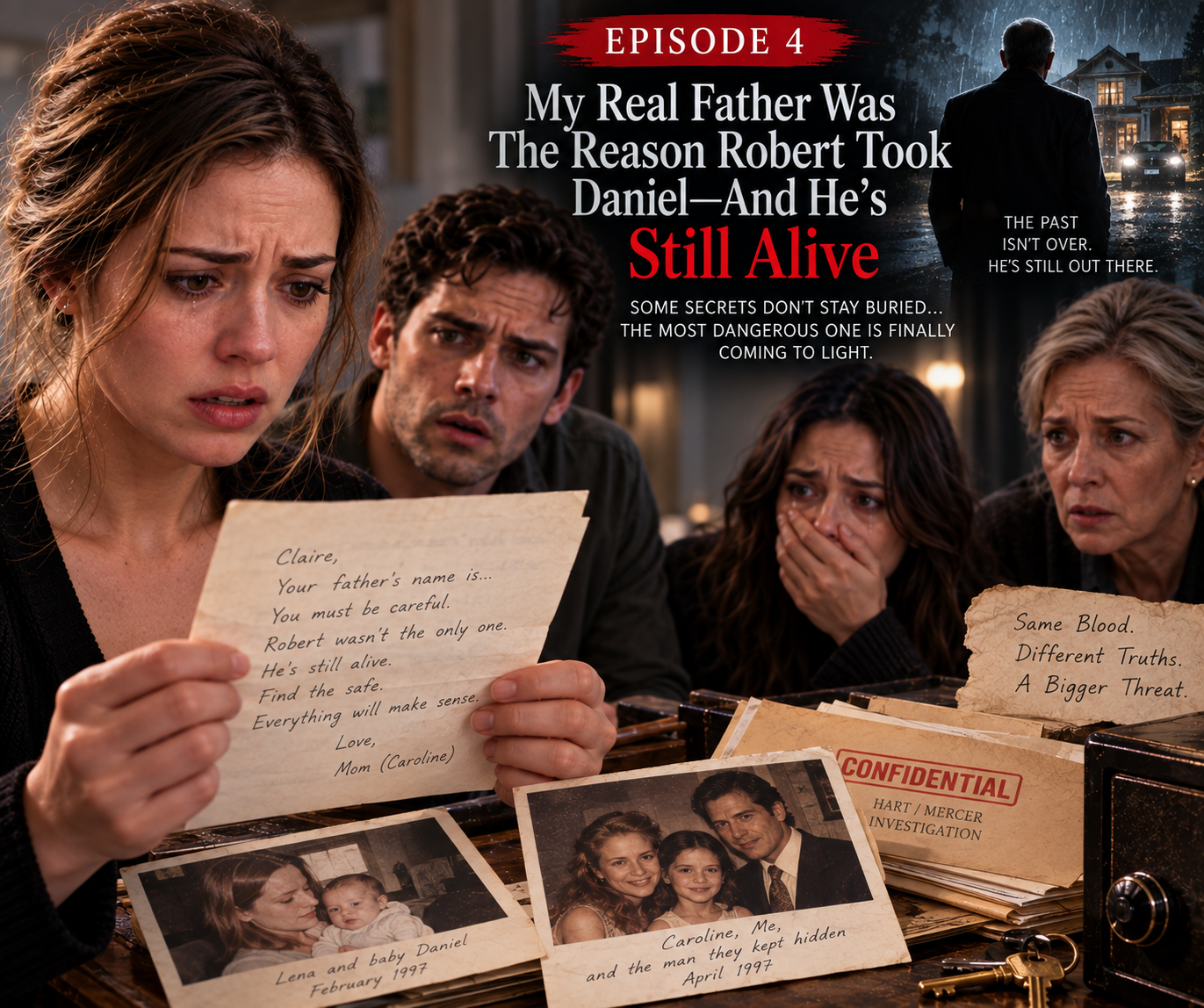
My Real Father Was the Reason Robert Took Daniel—And He’s Still Alive
Three seconds after Lena’s voicemail ended, Anna said, “I know who Claire’s father is.” Everyone turned toward her. I felt Daniel’s hand tighten around mine. “What did you say?” Anna didn’t look at me. She looked at Marianne. And Marianne suddenly looked terrified. “You promised me,” Marianne whispered. Anna shook her head. “No more promises.” I stepped between them. “You both know?” Marianne closed her eyes.
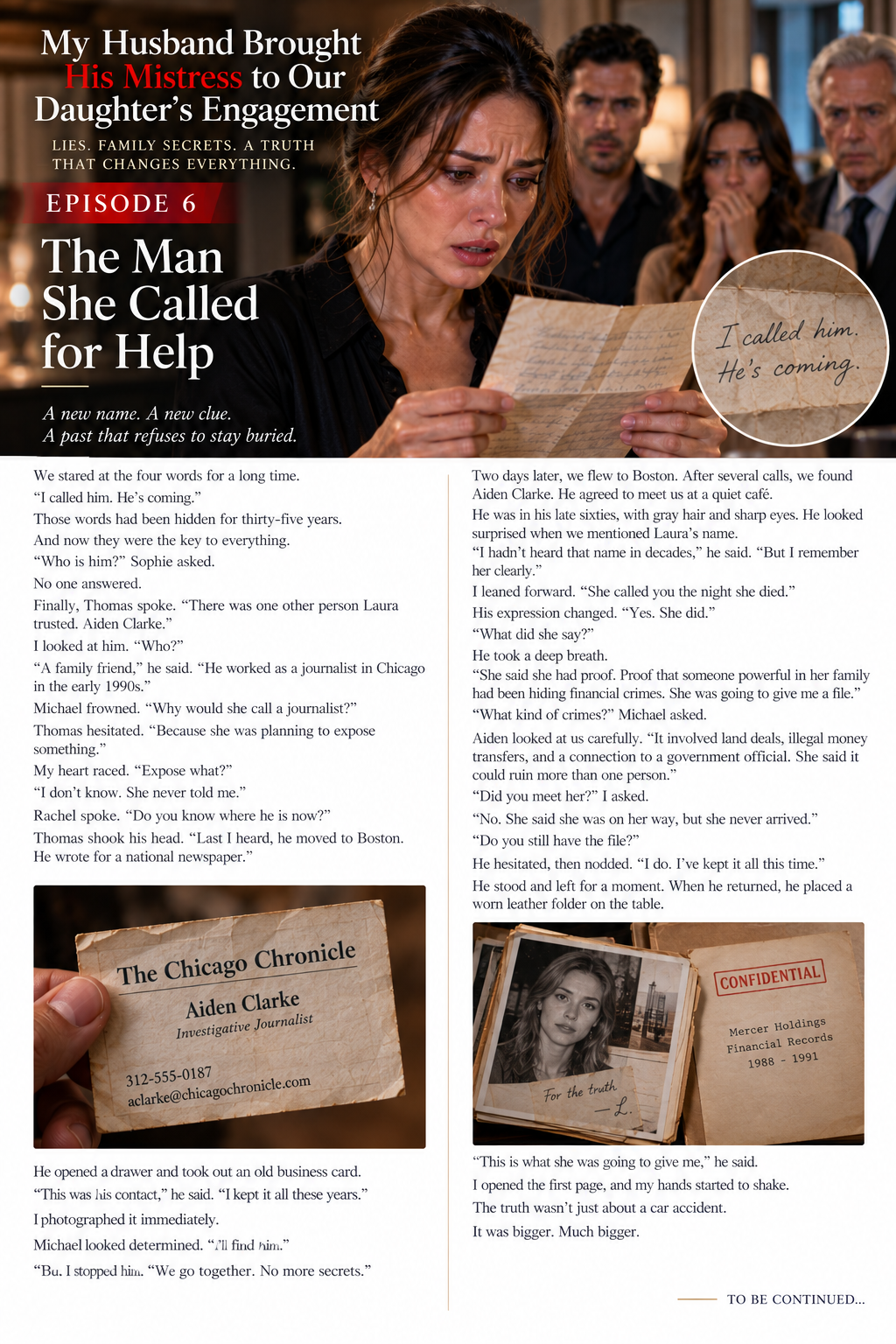
Episode 6 — The Man Laura Called for Help
We stared at the four words hidden beneath the fold of Laura’s final letter. I called him. He’s coming. Nobody spoke. Thirty-five years of lies had brought us to an unnamed man. A man Laura trusted enough to call after midnight. A man who might have known she was at the bus station. And possibly the last person to see her alive. Sophie finally broke the silence. “Who is him?” Thomas looked down. Diane watched her husband. Arthur looked terrified. Michael was staring at the handwritin
Recommended for You
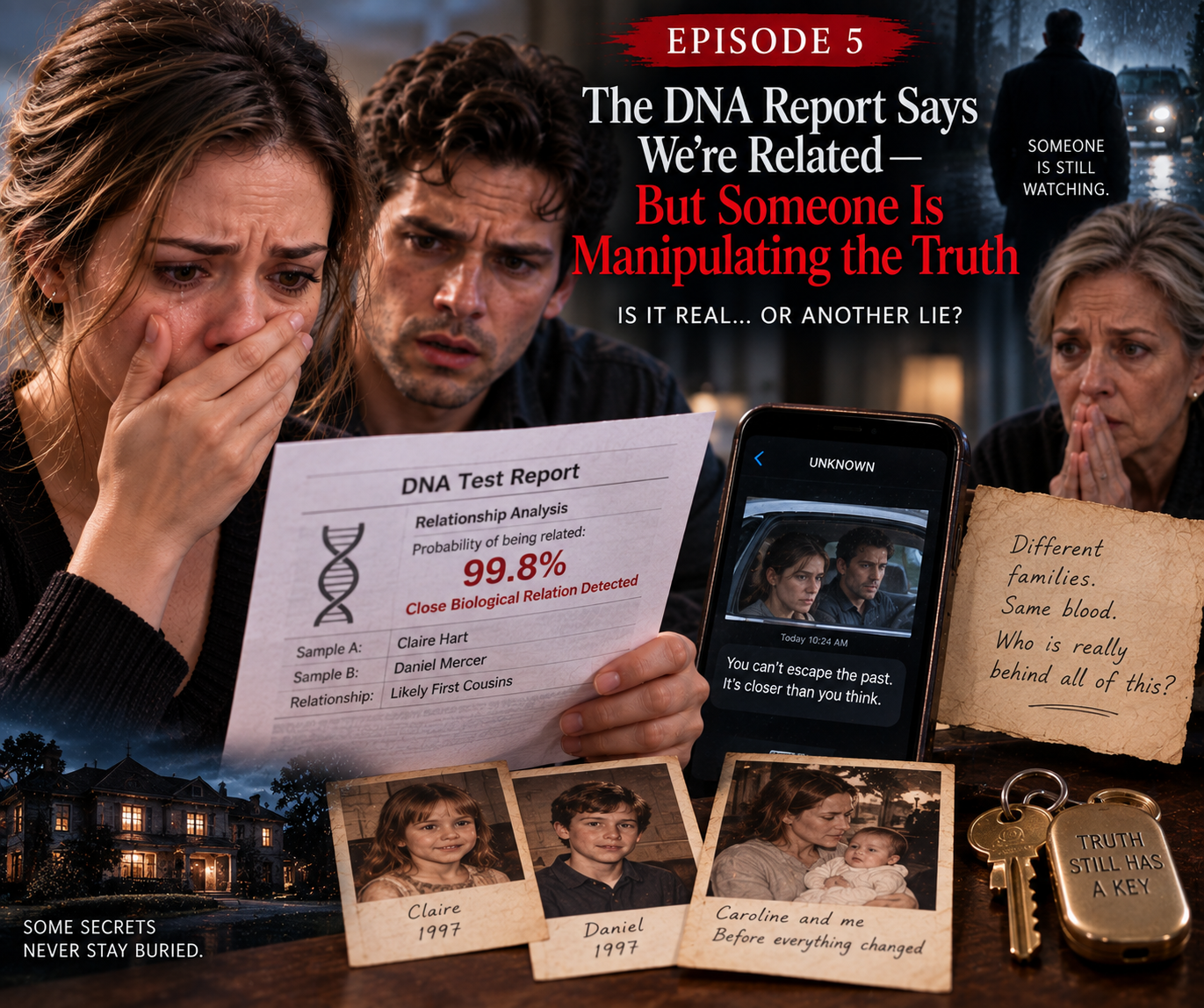
The DNA Report Said My Husband and I Were Related—Then I Saw Where the Samples Came From
“The report says we’re related.” Daniel’s words stayed in my ear. I was still standing beside Lena at the bus station. “How related?” He didn’t answer. “Daniel.” “First cousins.” My stomach turned. Lena grabbed my arm. “That’s impossible.” Daniel heard her. “Apparently not.” “Read the laboratory name,” Lena said.
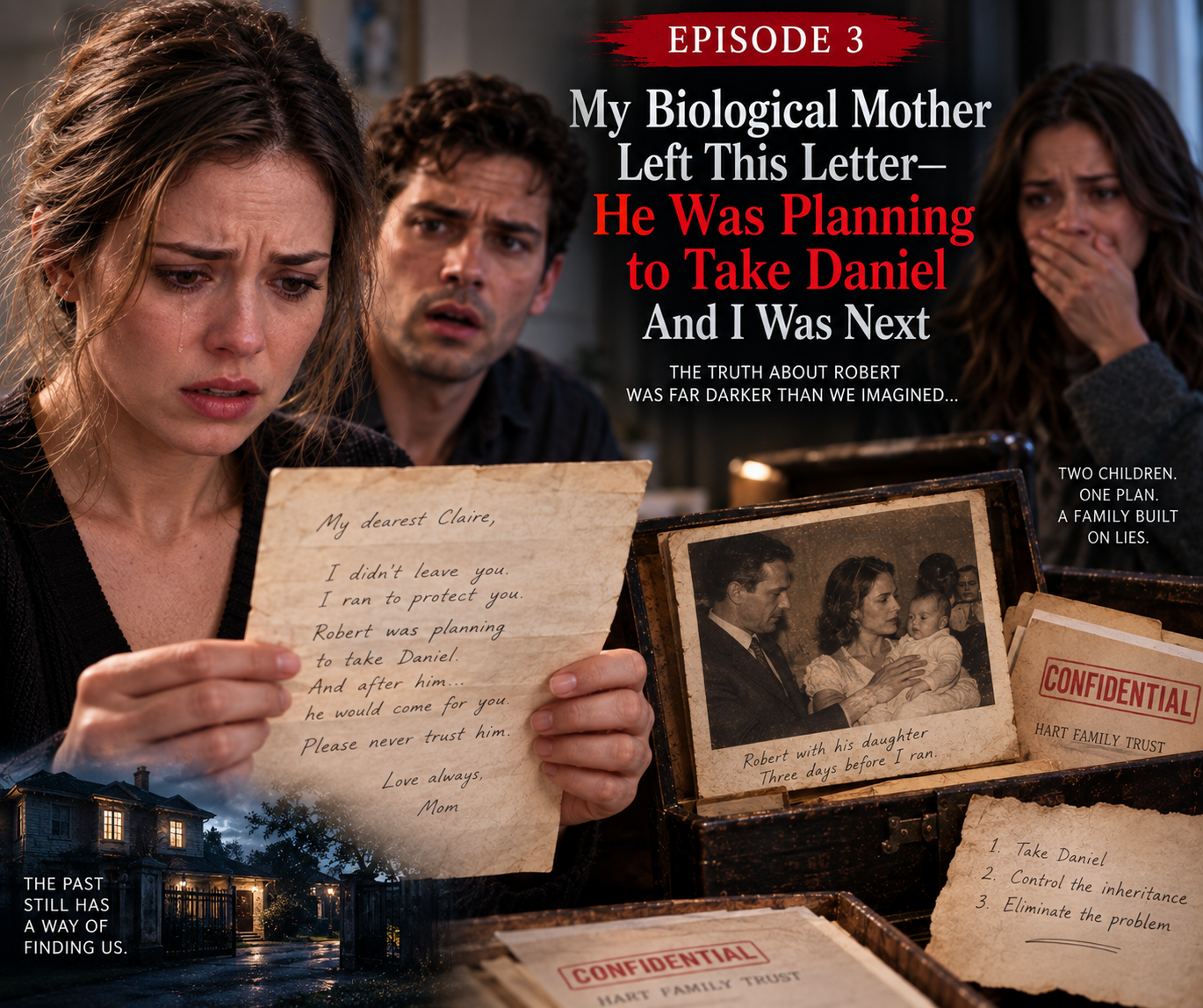
My Mother Ran Away to Protect Me—Then I Learned What My Father Planned for My Husband
The second paragraph of my biological mother’s letter said: Robert was going to take Daniel away. And Thomas helped him prepare the papers. I stopped reading. My father was still on speakerphone. “Dad.” Silence.
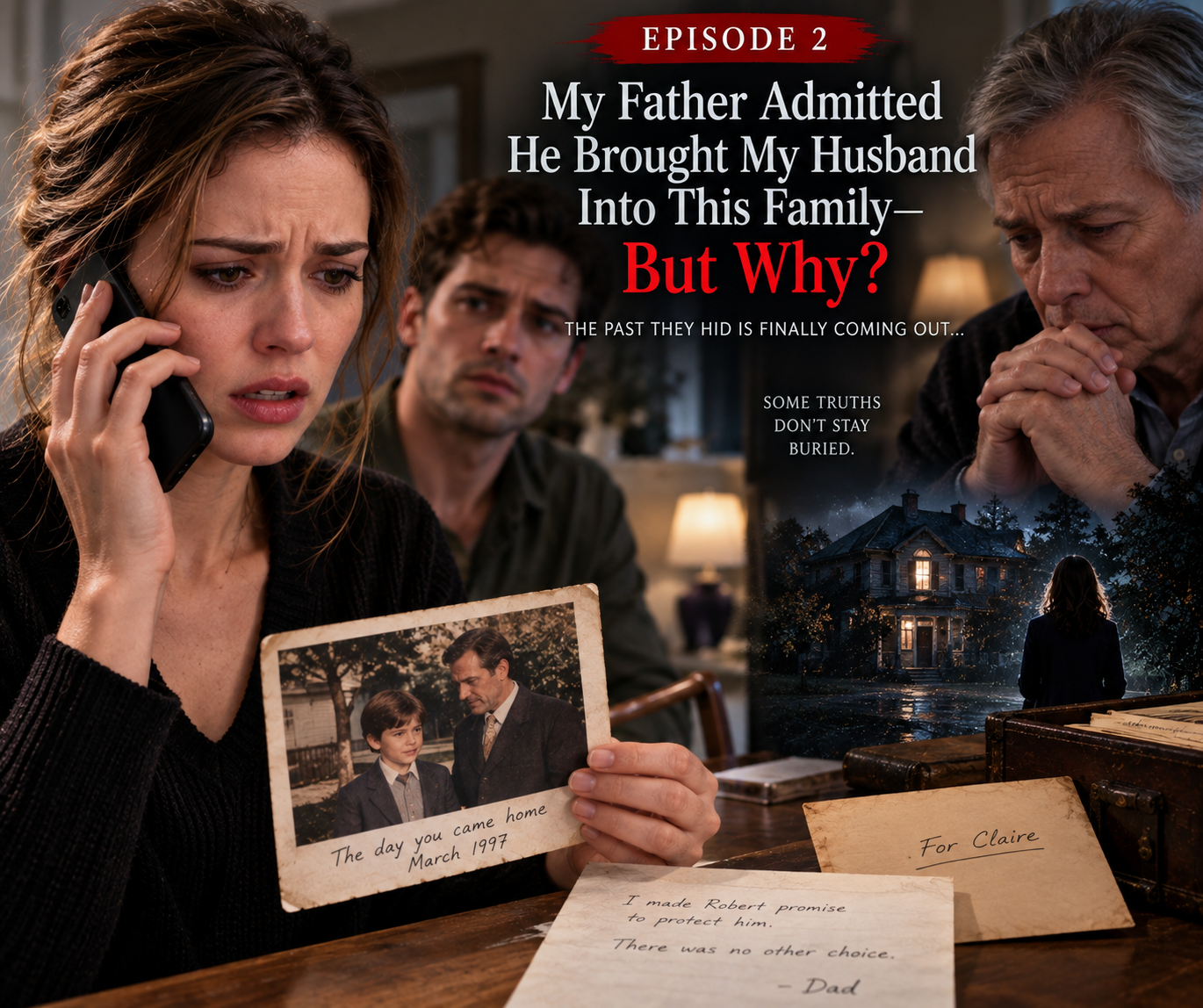
My Father Admitted He Brought My Husband Into This Family—But Why?
My father called back eleven minutes later and said, “Claire, before I tell you anything, get Daniel out of that house.” I looked across the dusty bedroom. Daniel was still holding the hospital bracelet with his biological mother’s name on it. “Why?” “Because you’re not alone.” Every hair on my arms lifted. I turned toward the hallway. Nothing. “Dad, what are you talking about?” “The house.” “What about it?” “There’s someone else there.” Daniel heard him. He walked toward me. “Put
Join the discussion
No comments yet. Start the conversation.