Long Reads
Sam Altman is ready to decelerate | TechCrunch

His change of position comes after "the first security incident that I have felt very viscerally."
OpenAI CEO Sam Altman says that it may be time to “pace” AI development so the world will be ready for it.
“We may have to pace the rate of AI development to give ourselves enough time for society to harden around some of these new capability levels,” he told Patrick O’Shaughnessy, the host of the Invest Like the Best podcast, while also “trying to figure out how we do that in a way that does not feel like regulatory capture for anyone and also does not feel like collusion among the frontier labs.”
Both OpenAI and Anthropic came out in support of a petition circulated by employees at the frontier labs, calling on the US government to “support an international effort to develop the technical and governance tools needed to deliberately pace the frontier of automated AI development.”
Altman has avoided signing on to past campaigns to slow AI progress, calling a 2023 open letter that proposed a similar slowdown “missing most technical nuance about where we need the pause.”
Apparently, he’s softened on the idea, thanks in part to the incident where one of OpenAI’s advanced models managed to break out of a secure computing environment and hack into Hugging Face, an online model database, using several zero-day exploits.
On the podcast, the OpenAI co-founder called it an “extremely sci-fi cyber incident…[t]his is the first security incident that I have felt very viscerally.”
OpenAI researchers have paused training on that model while they work out how to keep their sandbox secure. But Altman said that as models become more powerful, the need to “pace” their development could become key to safe deployment.
While model safety and alignment has always been a concern in the AI world, the arrival of Anthropic’s highly capable Mythos model earlier this year has turned hypotheticals into real-world problems.
However, the industry has a trust problem, and challenging economics that give major players an incentive to play up the dangers of their systems in ways that experts disagree about — for example, whether or not Anthropic’s Fable model should have been briefly banned from use or not. Similarly, when Kimi K3, a large, open-weight model built in China, was released, OpenAI head of strategic futures Dean W. Ball said that it threatened the economics of frontier labs, making it difficult to separate their safety concerns from their financial interest.
“I think a lot of the talk about safety concerns is well-founded, and then a lot of it is about people that just really, even if it’s slightly subconscious, want to concentrate power,” Altman mused, in what reads as a dig at his rival, Anthropic CEO Dario Amodei, who signed the petition. “I am terrified of a world where the very real fears of AI are used as a way to say, ‘Only this small group of people can have it because it’s too dangerous, and only they understand it, but don’t worry, like, they’re gonna make the right decisions for all of us.’ I don’t believe in that.”
Still, OpenAI has pushed back against efforts to develop government rules for AI models, instead preferring an industry-led approach where AI labs would create ostensibly independent organizations that would evaluate the security of models and the safety approach of their makers. The challenge for both that approach to regulation and any efforts to slow AI development will be getting the various players in the industry on the same page, whether they are rival frontier labs in the U.S. or competitors in China.
This story was updated to include OpenAI and Anthropic’s support of the “Pacing the Frontier” petition.
Take a break. Sharpen your mind.
Trivia, word games, puzzles and more—fresh challenges are waiting every day.
Explore all gamesRelated Articles
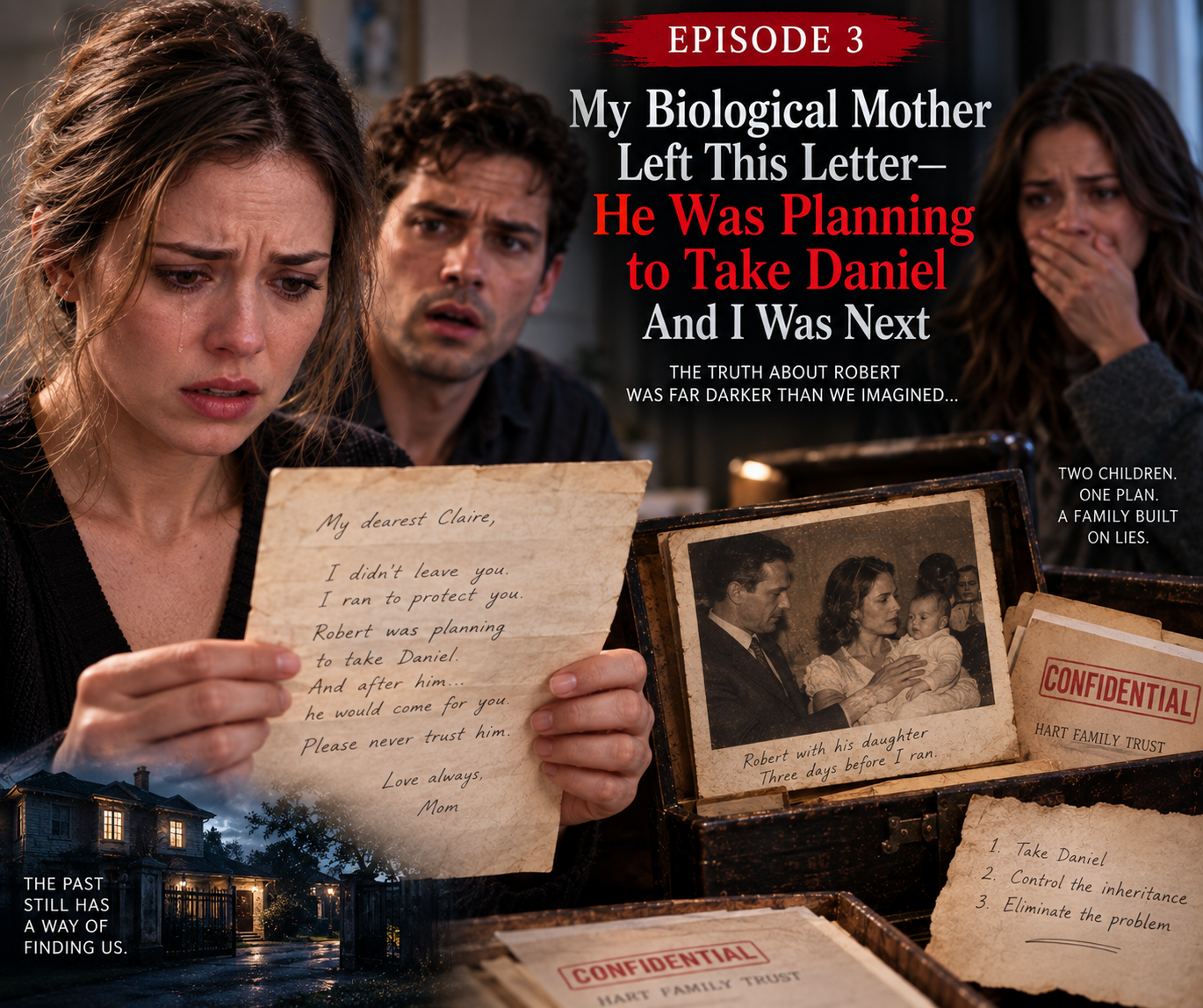
My Mother Ran Away to Protect Me—Then I Learned What My Father Planned for My Husband
The second paragraph of my biological mother’s letter said: Robert was going to take Daniel away. And Thomas helped him prepare the papers. I stopped reading. My father was still on speakerphone. “Dad.” Silence.
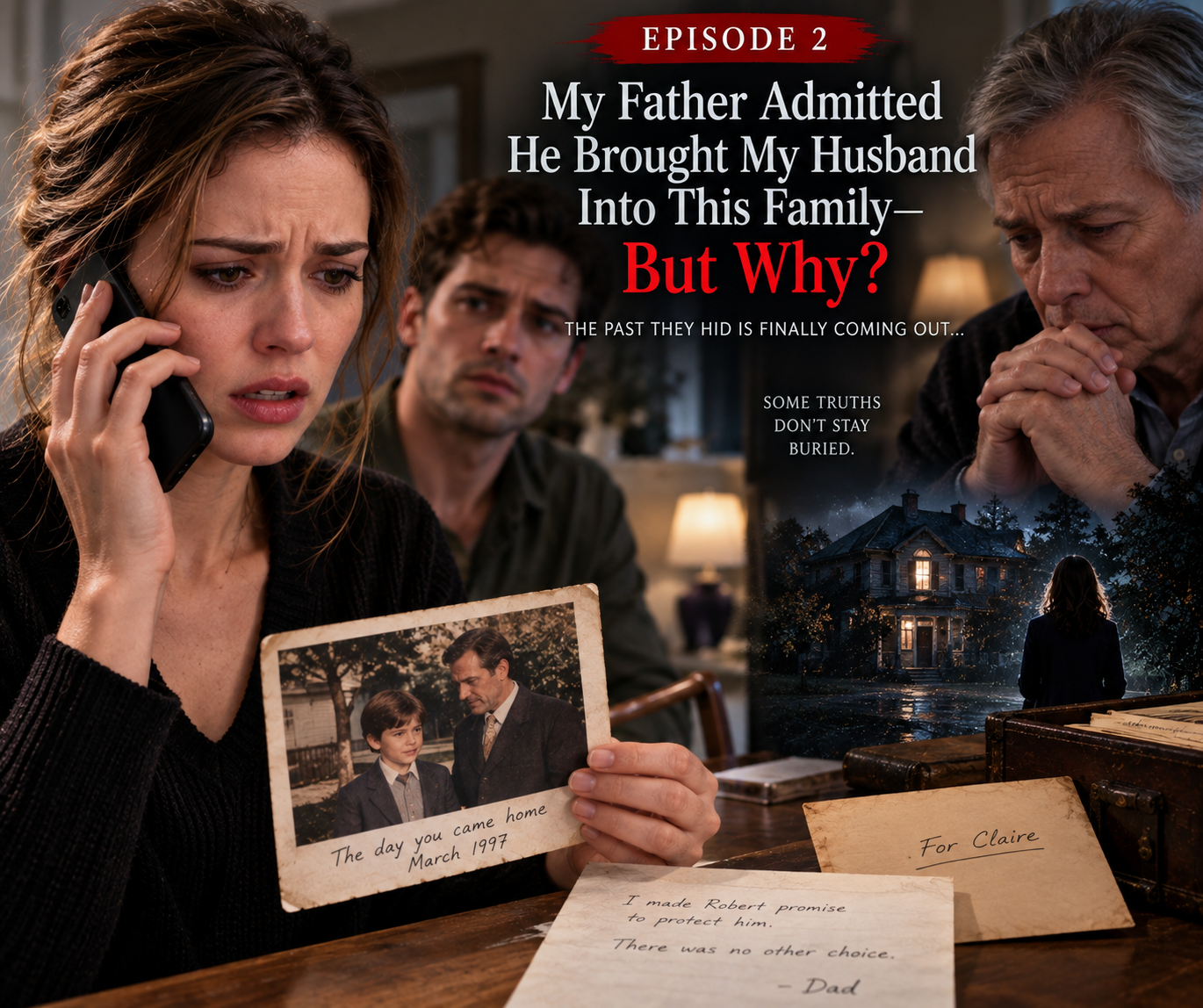
My Father Admitted He Brought My Husband Into This Family—But Why?
My father called back eleven minutes later and said, “Claire, before I tell you anything, get Daniel out of that house.” I looked across the dusty bedroom. Daniel was still holding the hospital bracelet with his biological mother’s name on it. “Why?” “Because you’re not alone.” Every hair on my arms lifted. I turned toward the hallway. Nothing. “Dad, what are you talking about?” “The house.” “What about it?” “There’s someone else there.” Daniel heard him. He walked toward me. “Put
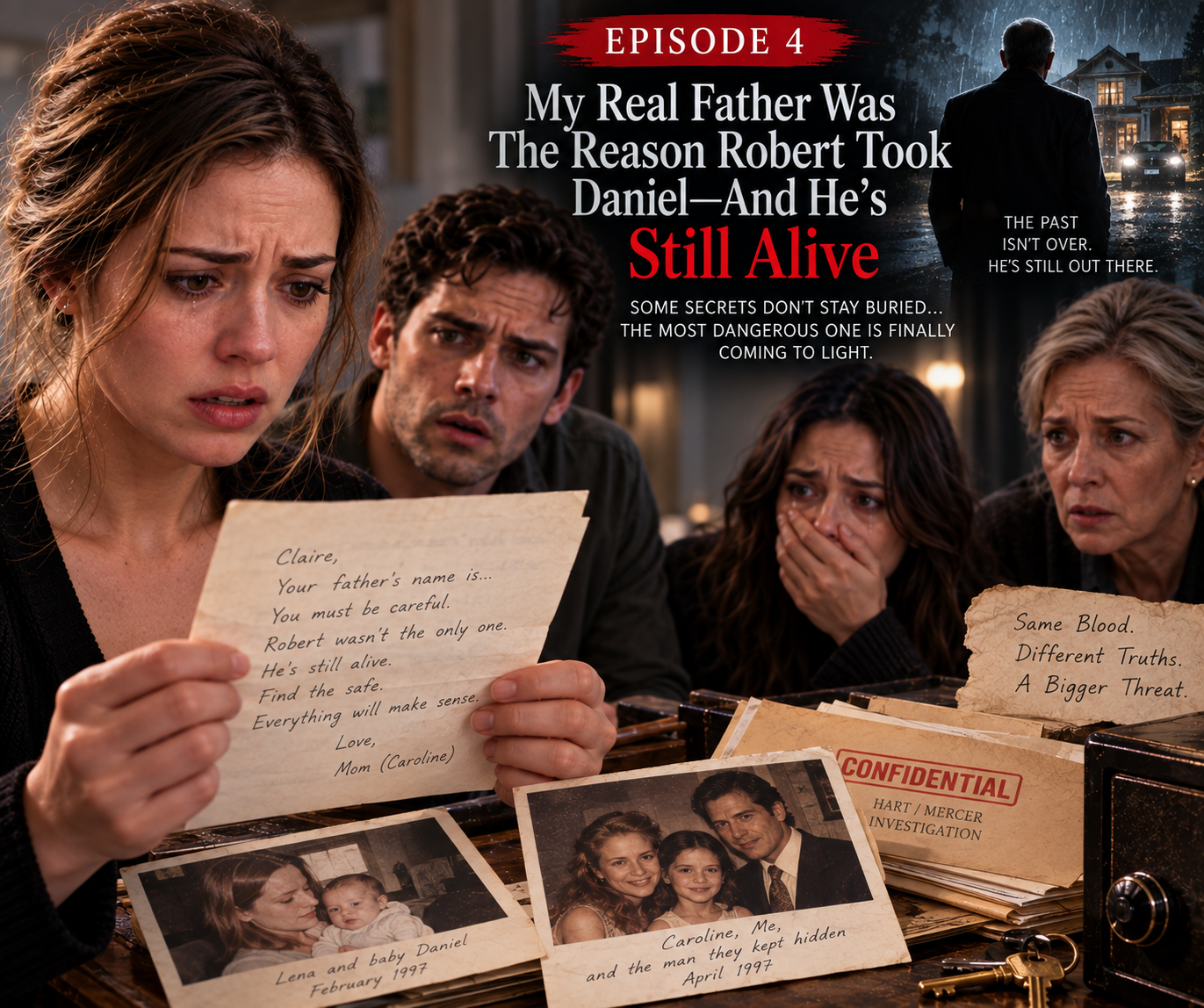
My Real Father Was the Reason Robert Took Daniel—And He’s Still Alive
Three seconds after Lena’s voicemail ended, Anna said, “I know who Claire’s father is.” Everyone turned toward her. I felt Daniel’s hand tighten around mine. “What did you say?” Anna didn’t look at me. She looked at Marianne. And Marianne suddenly looked terrified. “You promised me,” Marianne whispered. Anna shook her head. “No more promises.” I stepped between them. “You both know?” Marianne closed her eyes.
Recommended for You
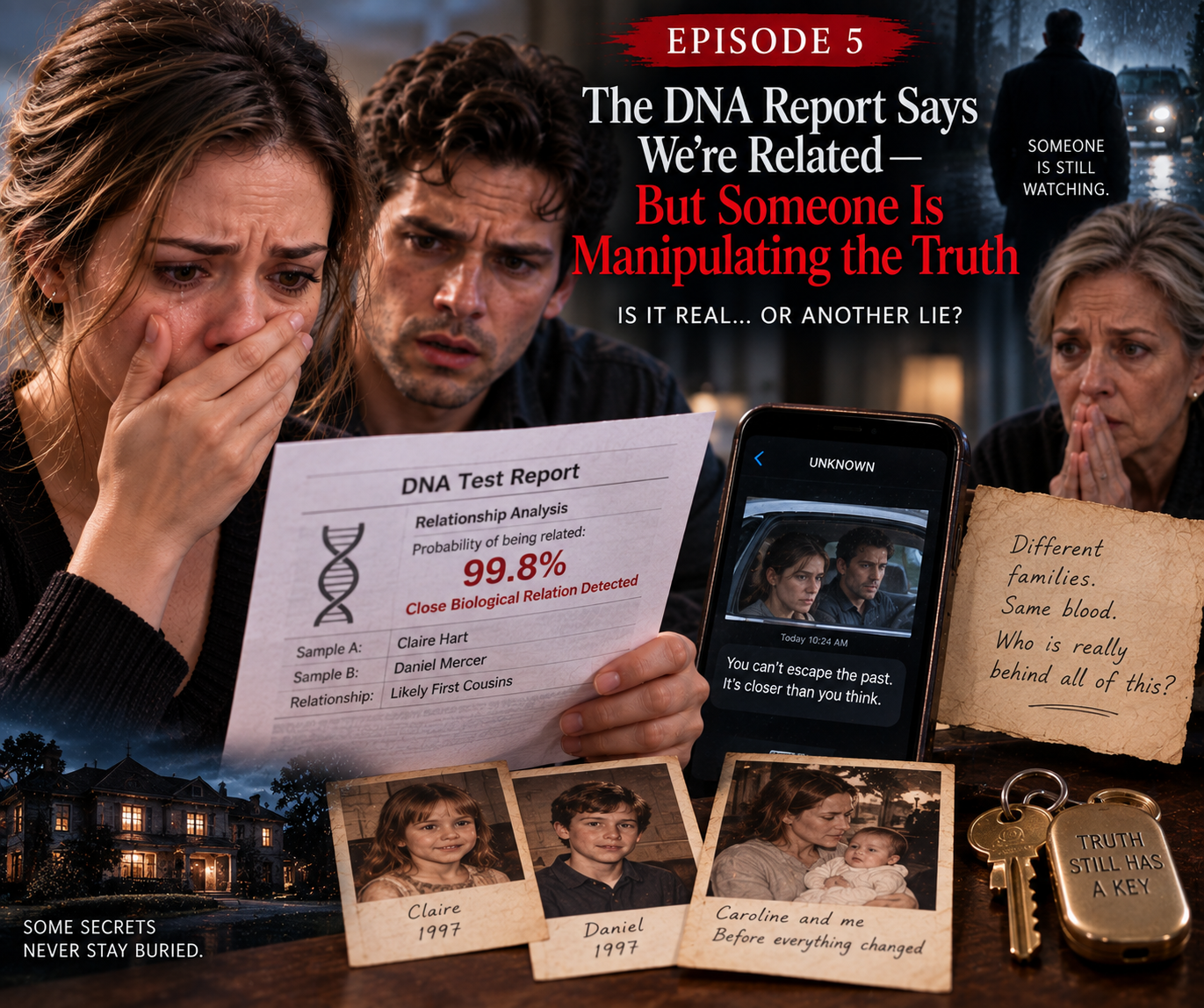
The DNA Report Said My Husband and I Were Related—Then I Saw Where the Samples Came From
“The report says we’re related.” Daniel’s words stayed in my ear. I was still standing beside Lena at the bus station. “How related?” He didn’t answer. “Daniel.” “First cousins.” My stomach turned. Lena grabbed my arm. “That’s impossible.” Daniel heard her. “Apparently not.” “Read the laboratory name,” Lena said.
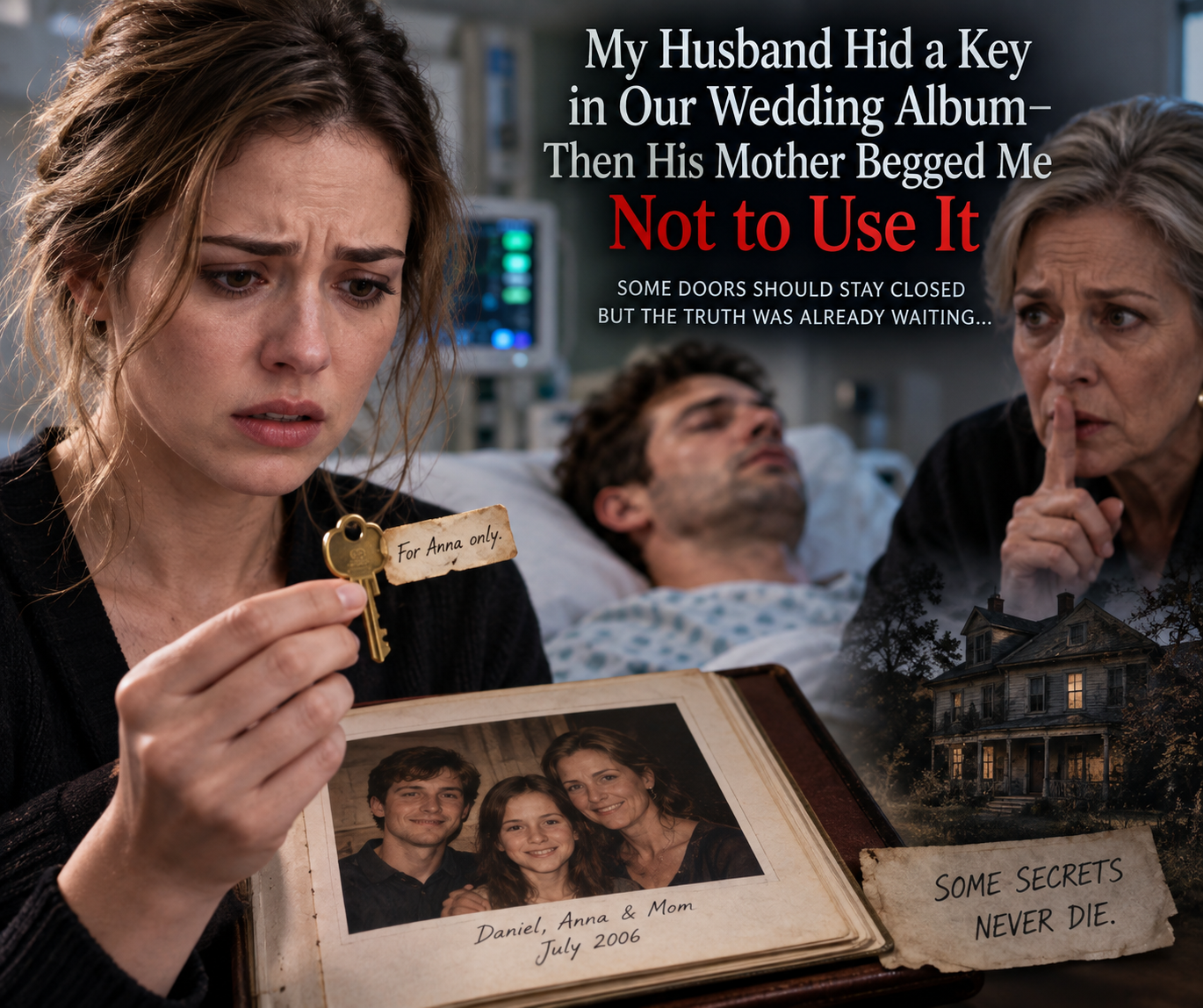
My Husband hide a key in our wedding album then his mother begged me not to use
My husband was unconscious in the emergency room when his mother grabbed my wrist and whispered, “Whatever you find in his wallet, don’t go to that house.” I stared at her. “What house?” Her face changed immediately. “I shouldn’t have said anything.” That was when the nurse returned Daniel’s belongings to me. His phone. His watch. His wedding ring.
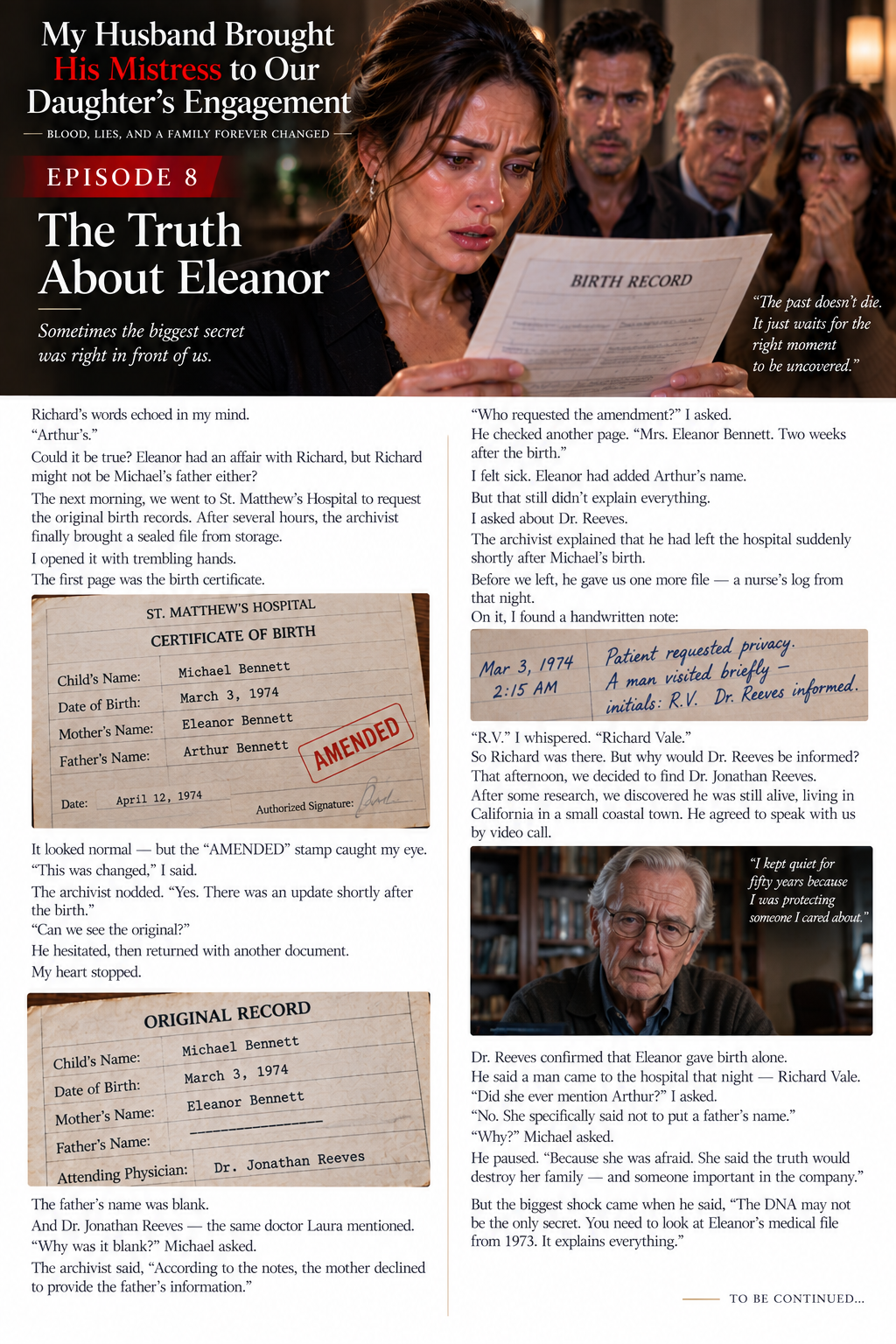
Episode 8 — The Last Secret Eleanor Took to Her Grave
Richard had just told Michael that Arthur’s name had been removed from an old hospital record. For several seconds, Michael said nothing. Then he asked the only question that mattered. “Are you my father or not?” Richard looked away. “I told you. I believed I was.” “That isn’t an answer.” “It’s the only one I have.” Michael stood so quickly his chair scraped across the floor. “You let me come here thinking you knew.” “I thought I did.” “For forty-nine years?” Richard lowered his eyes
Join the discussion
No comments yet. Start the conversation.